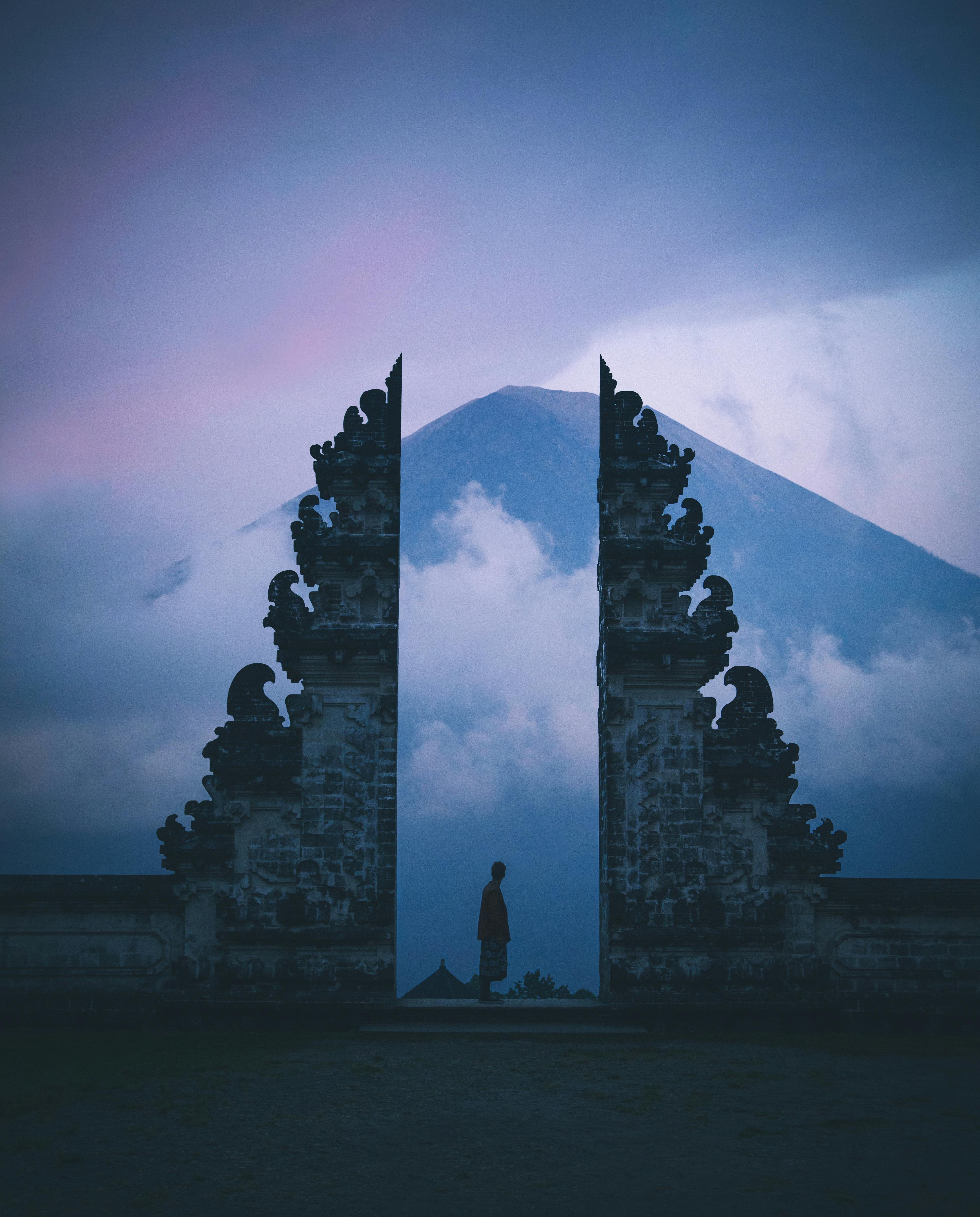
Villas That Disappear into Stone
In Uluwatu, the most confident stays are the ones that refuse to dominate the landscape.
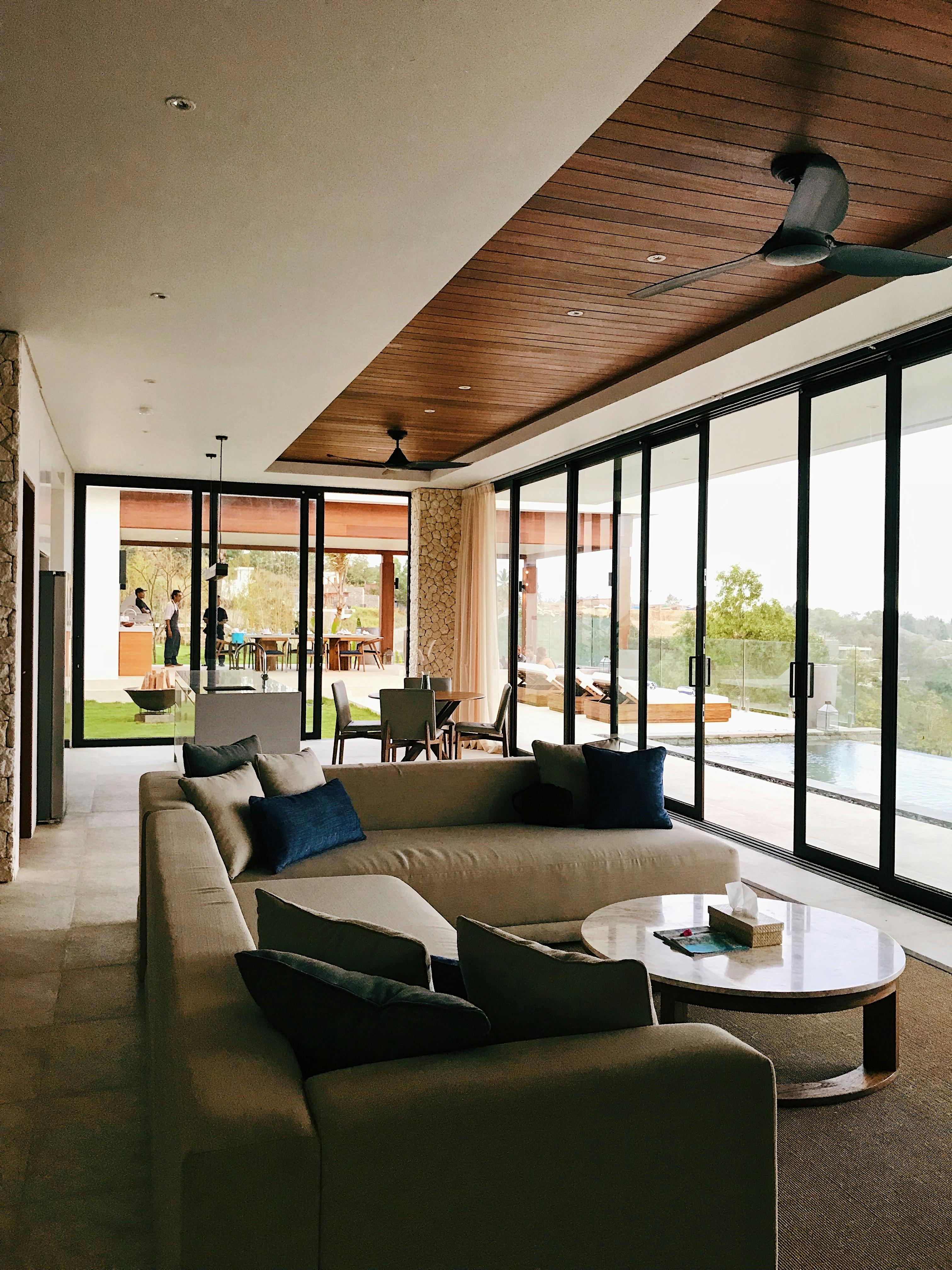
The strongest hospitality architecture in Uluwatu does not begin with façade. It begins with a decision to step back. The cliff is already theatrical; the ocean has already done the work of scale. What remains for the hotel is judgement.
Architecture That Steps Back
Why it matters: a room with intention lets the landscape remain primary.
The most persuasive villas seem less placed on the land than negotiated with it. Stone walls take on road color, rooflines lower into shadow, and pools stop before they become spectacle. The effect is not minimalism for its own sake. It is placement.

The cliff sets the visual rhythm; architecture follows.
“The guest does not need to be overwhelmed. The guest needs to be placed.”
The Luxury of Not Announcing Itself
The editorial reason: restraint reads better over time than performance.
In many resort landscapes, luxury is performed as arrival. Here that language is less persuasive. A shaded corridor can do more than a lobby statement. A room aligned to wind can say more than symmetry. The texture of a place comes through when design allows it to.
HOW TO VISIT
- Best time
- Early morning and final light before dusk, when the ridge is least performative.
- Getting there
- Use direct transfer from DPS and avoid late-afternoon arrival windows when possible.
- What to book
- Rooms with cross-ventilation and partial cliff setback, not only panoramic frontage.
- What to notice
- Material transitions, corridor acoustics, and how staff presence is paced across the day.
- Nearby
- Uluwatu Temple and south-ridge roads that reveal the area best on slower walks.
PLAN YOUR VISIT
Official Website
Uluwatu Area Official Visitor InformationSample link for mock data
Direct Reservation
Featured Property Direct ReservationSample link for mock data
Partner BookingPartner
Partner Booking ReferenceSample partner link for mock data
Some links may be paid partner links and are disclosed according to The Carnegie Journal’s sponsored content policy. sponsored content policy.
At a glance
- Context
- Cliffside boutique stays, Uluwatu
- Lens
- Editorial design judgement + practical utility
- Takeaway
- A slower way to read the city begins with where a room chooses silence.
A villa that disappears into stone does not vanish. It becomes memorable because it refuses to dominate memory. In a place where the cliff already holds the horizon, architecture earns trust by knowing how to recede.
“The most confident rooms in Uluwatu are the ones that know when to disappear.”