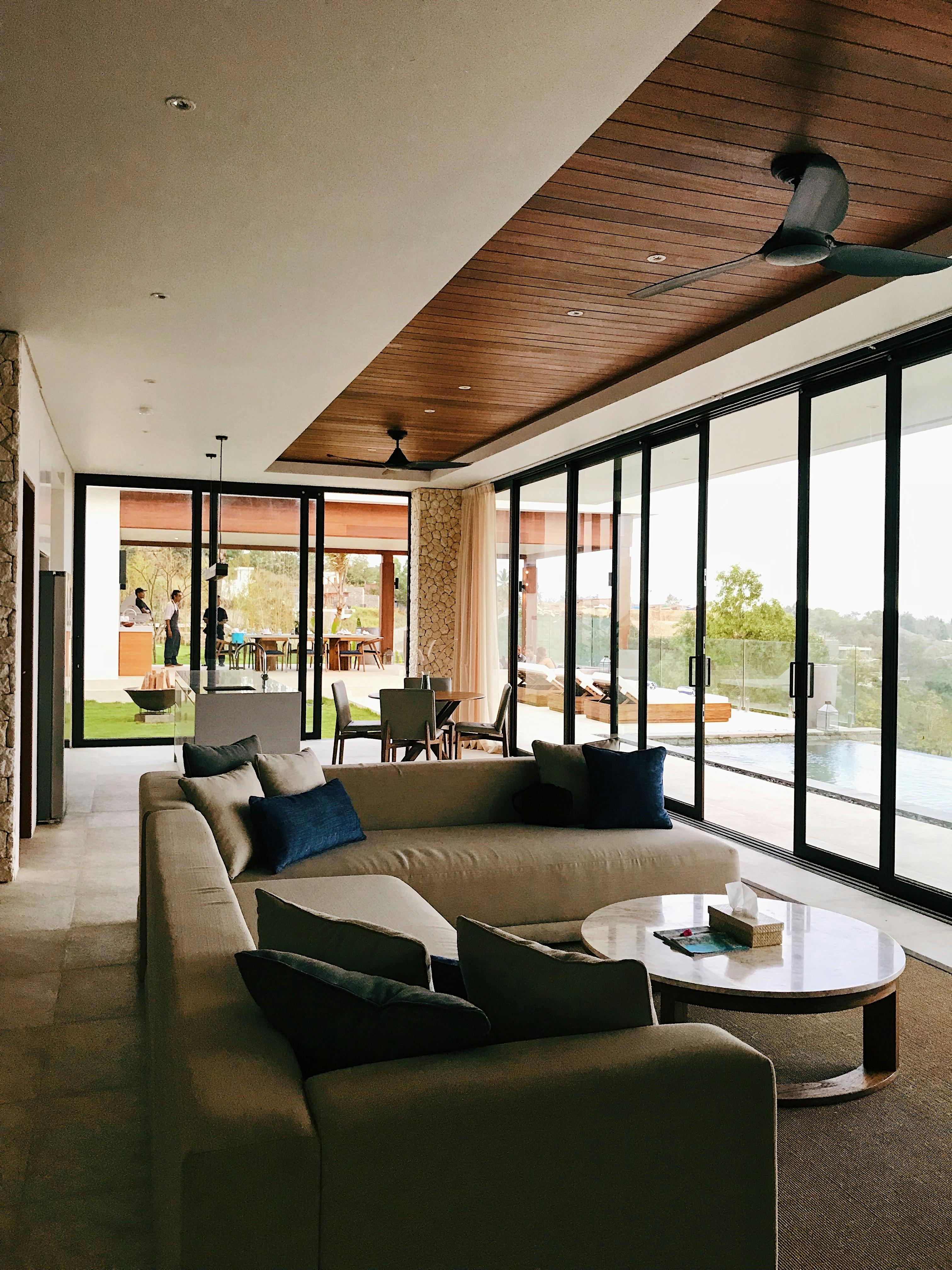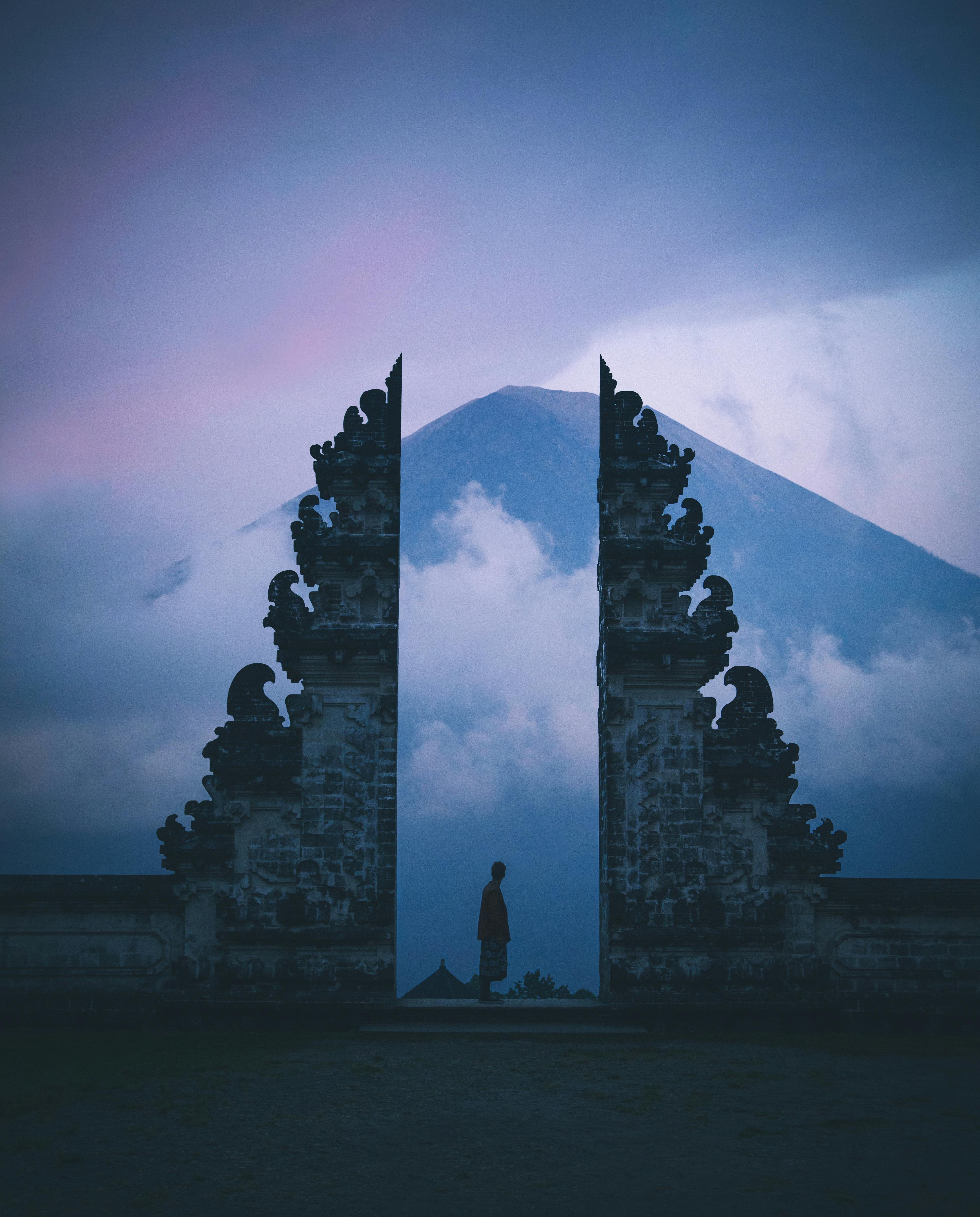
After-Surf Dining at the Cliff Edge
A new Uluwatu table culture built around fire, catch, and restraint.
The Hour After Water
There is a particular appetite that arrives after surf. It is not theatrical. It is not interested in excess. It is salt, fatigue, sun, and the sudden awareness of hunger once the body has returned from water to land. Uluwatu’s best dining moments understand this appetite. They do not rush to dress it up.
The hour after surf is neither lunch nor dinner in the conventional sense. It is a threshold. Boards are leaned against walls. Wet hair dries in the wind. The conversation remains slow because the body is still measuring waves. A table at this hour should not interrupt that state. It should extend it.
Fire Without Performance
Fire has become one of the most overused languages in contemporary dining. Too often it arrives as spectacle: visible flame, exaggerated smoke, a performance of primal simplicity delivered with great expense. Uluwatu allows for something quieter.
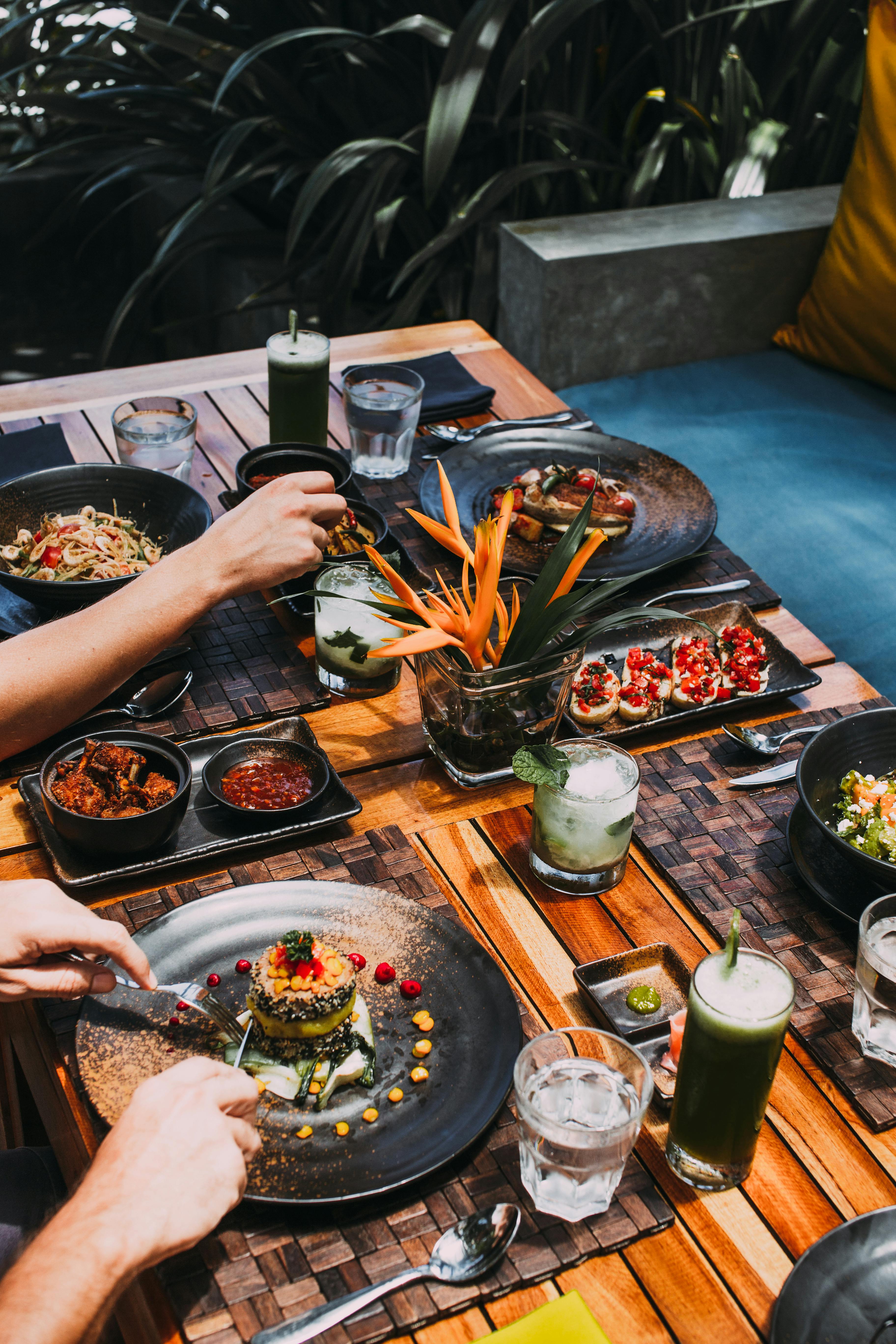
Here, fire makes sense because the coast makes sense of it. Fish, vegetables, rice, citrus, heat, and salt do not need a manifesto. They need timing. A restrained table near the cliff can carry more authority than an ambitious room trying to import a city’s idea of seriousness.
Restraint is not the opposite of appetite. It is the condition that lets appetite become precise.
A Table Built by the Coast
The most convincing coastal meals do not imitate the sea. They respond to it. They leave space for bitterness, char, acidity, and the small shock of something cold after a hot day. They understand that a traveler who has spent the afternoon watching water does not need a menu that explains itself too loudly.
A table built by the coast should feel temporary in the right way. It should have the confidence of something that could be set again tomorrow with slight changes: a different catch, a different wind, a different orange in the sky. The point is not novelty. The point is alignment.
Restraint as Appetite
What distinguishes the new table culture around Uluwatu is not luxury in the formal sense. It is the refusal to confuse abundance with generosity. A smaller plate can feel more generous when it meets the hour exactly. A quieter room can feel more alive when the sound of the coast is still present.
This is dining as afterimage. The body remembers water. The table answers with fire. Between them, the cliff holds the evening in place.
The best meals at the edge are not designed to be conquered. They are designed to let the day settle. After surf, appetite becomes less about possession than return: to salt, to warmth, to the simple discipline of something cooked well and served without unnecessary noise.
“The table begins where the surf leaves the body.”