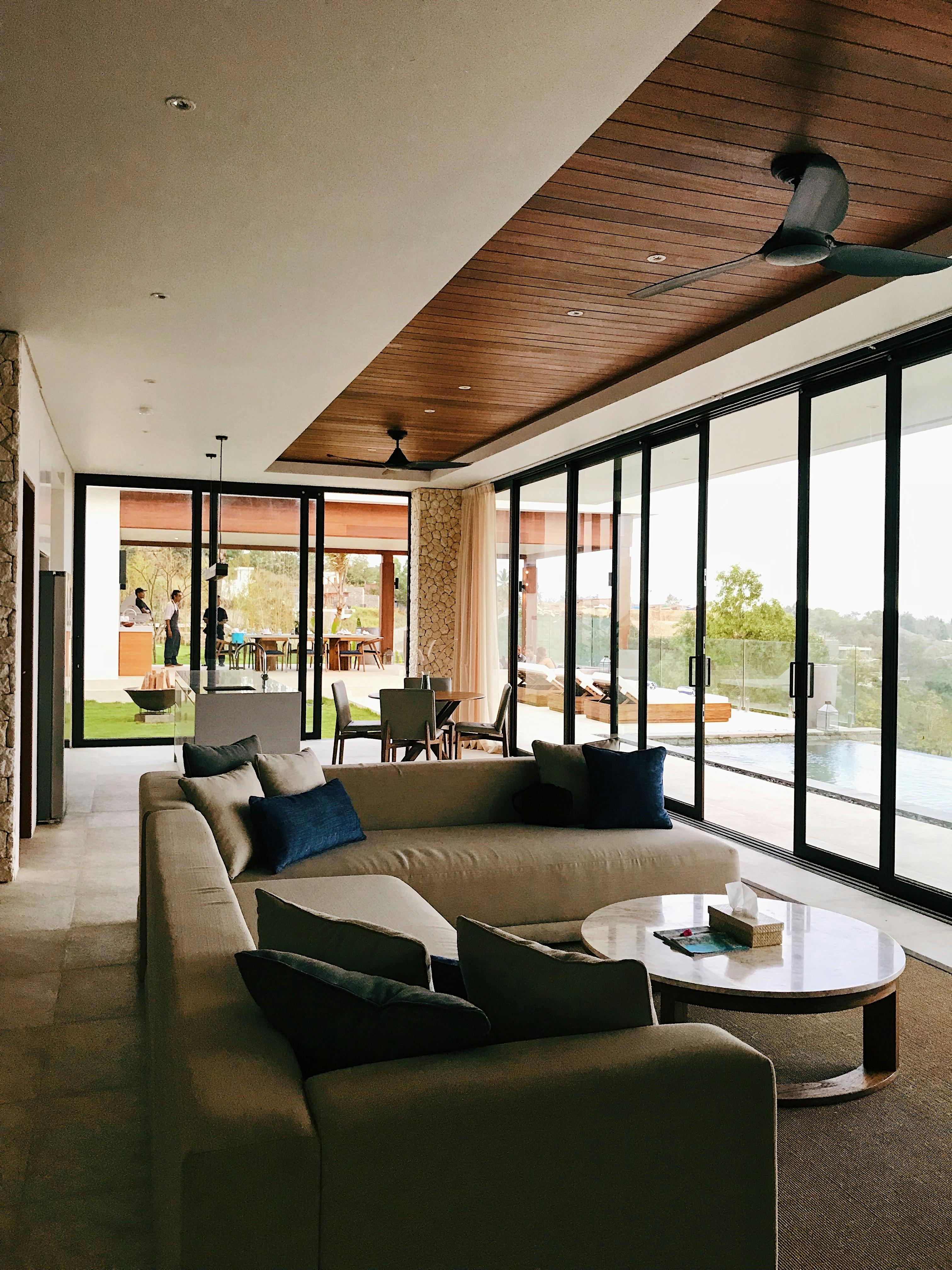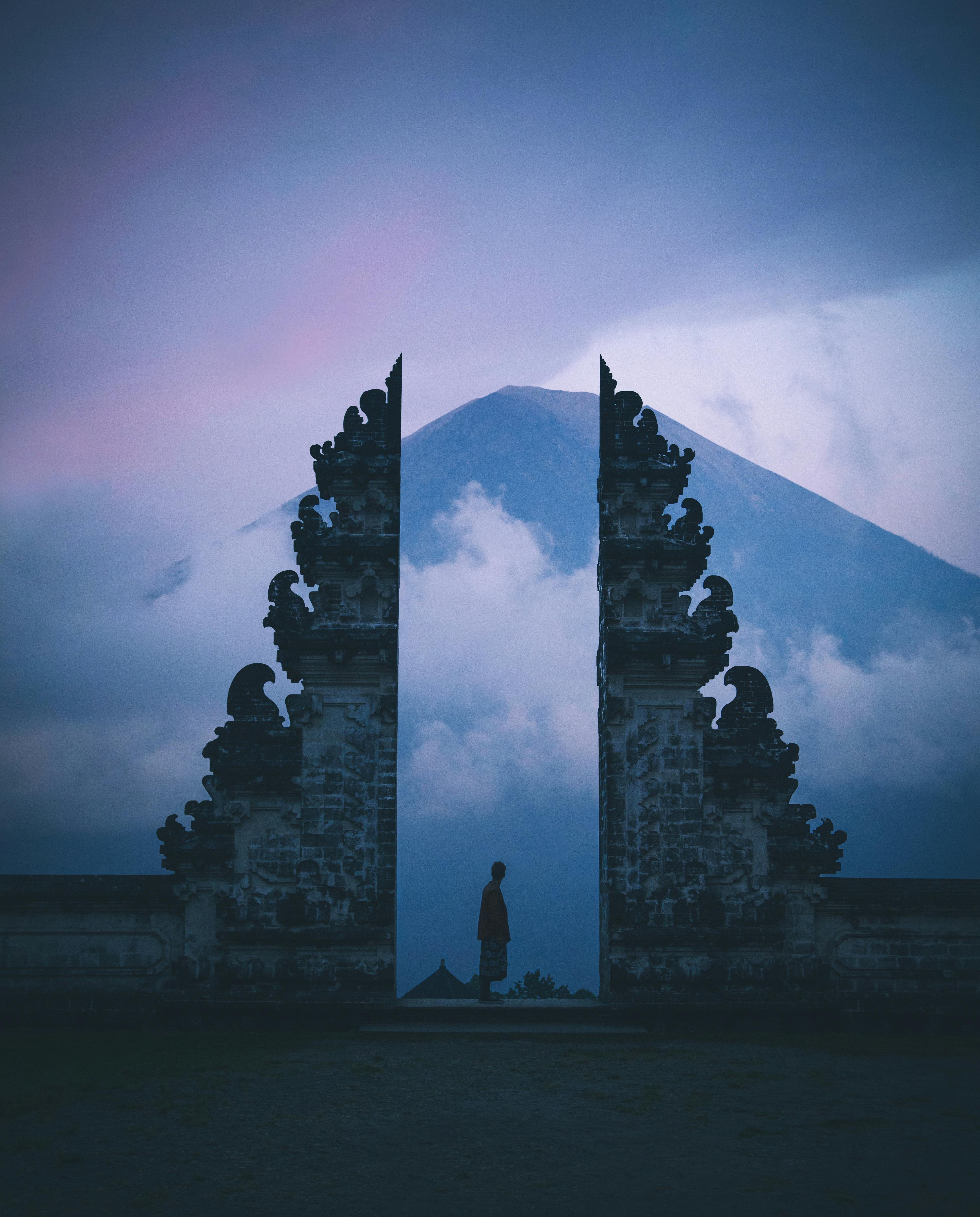
Sunrise on the Uluwatu Ridge
Before the beach clubs open, the cliffs return to their original rhythm.

Before the First Arrival
Before the day begins to sell itself, Uluwatu is almost private again. The roads are narrow and quiet. The sea, still undecided in color, moves below the cliffs with a patience that feels older than the buildings above it. A few motorbikes pass in the half-light. A dog crosses the road with the confidence of someone who has no interest in tourism. The ridge belongs, briefly, to those who have a reason to be awake before the view becomes a product.
There is a different grammar to the place at this hour. Nothing is yet arranged for admiration. The cafés have not opened their doors. The beach clubs have not begun their careful choreography of towels, music, glassware, and reservation names. The cliff paths hold only the sound of wind, rubber tires, and distant water. What feels luxurious here is not access but timing.
What feels luxurious here is not access but timing.
The Ridge as a Measure of Time
The ridge does not ask to be consumed quickly. It asks to be approached in layers: first by road, then by air, then by the sudden drop of the cliff. Uluwatu’s drama is often described in vertical terms, height, edge, descent, but its more interesting quality is temporal. The same place can feel unclaimed at dawn, performative by afternoon, ceremonial at sunset, and private again after the evening traffic has thinned.
This is why the morning matters. It reveals the structure beneath the reputation. Without music, lighting, and the social proof of other visitors, the cliff becomes less an attraction than a measure. How slowly can a traveler arrive? How much of a place can be understood before it is photographed? What remains when the image is not yet ready?
What the Morning Refuses to Sell
The early ridge resists the easy promise of escape. It is not empty in the fantasy sense; it is inhabited, worked, crossed, and maintained. Temple workers move with purpose. Surfers follow weather and tide rather than brand schedules. Residents pass without needing to translate the landscape into leisure.
That ordinary movement gives the morning its dignity. It reminds the visitor that a destination is not created by arrival alone. Long before the first booking confirmation and long after the last sunset photograph, the ridge is a working geography of habit, ceremony, weather, and return.
The Return of Noise
By midmorning, the spell changes. Scooters gather. Doors open. Music begins to leak from compounds designed to look effortless. None of this is necessarily wrong. A place famous for beauty will eventually be asked to perform it.
But sunrise leaves a standard behind. It shows what the day must negotiate: how much can be added before the original rhythm disappears? Uluwatu’s future may depend less on whether it can attract attention than on whether it can protect the hours before attention arrives.
To stand on the ridge at sunrise is not to see a quieter version of Uluwatu. It is to see the place before it has been translated. For a few minutes, the cliff is not a backdrop, the sea is not a promise, and the road is not a funnel. The ridge simply keeps its own time.
“The ridge is most honest before it is useful.”