The Uluwatu Hospitality Brand Question
Can cliffside growth scale without losing the quiet codes that created demand?

The Value of Not Saying Too Much
The most desirable hospitality brands in Uluwatu are often built on a paradox: they become valuable by appearing not to try too hard. Their power sits in controlled understatement. The road is less obvious. The entrance does not over-explain itself. The materials suggest locality without turning it into decoration. The view is handled as atmosphere, not trophy.
This is a difficult code to scale. Once a market learns that quietness sells, quietness can become a costume. Restraint becomes a style sheet. Privacy becomes a word repeated in copy. The signals that once felt earned begin to circulate as branding assets.
When Demand Learns the Code
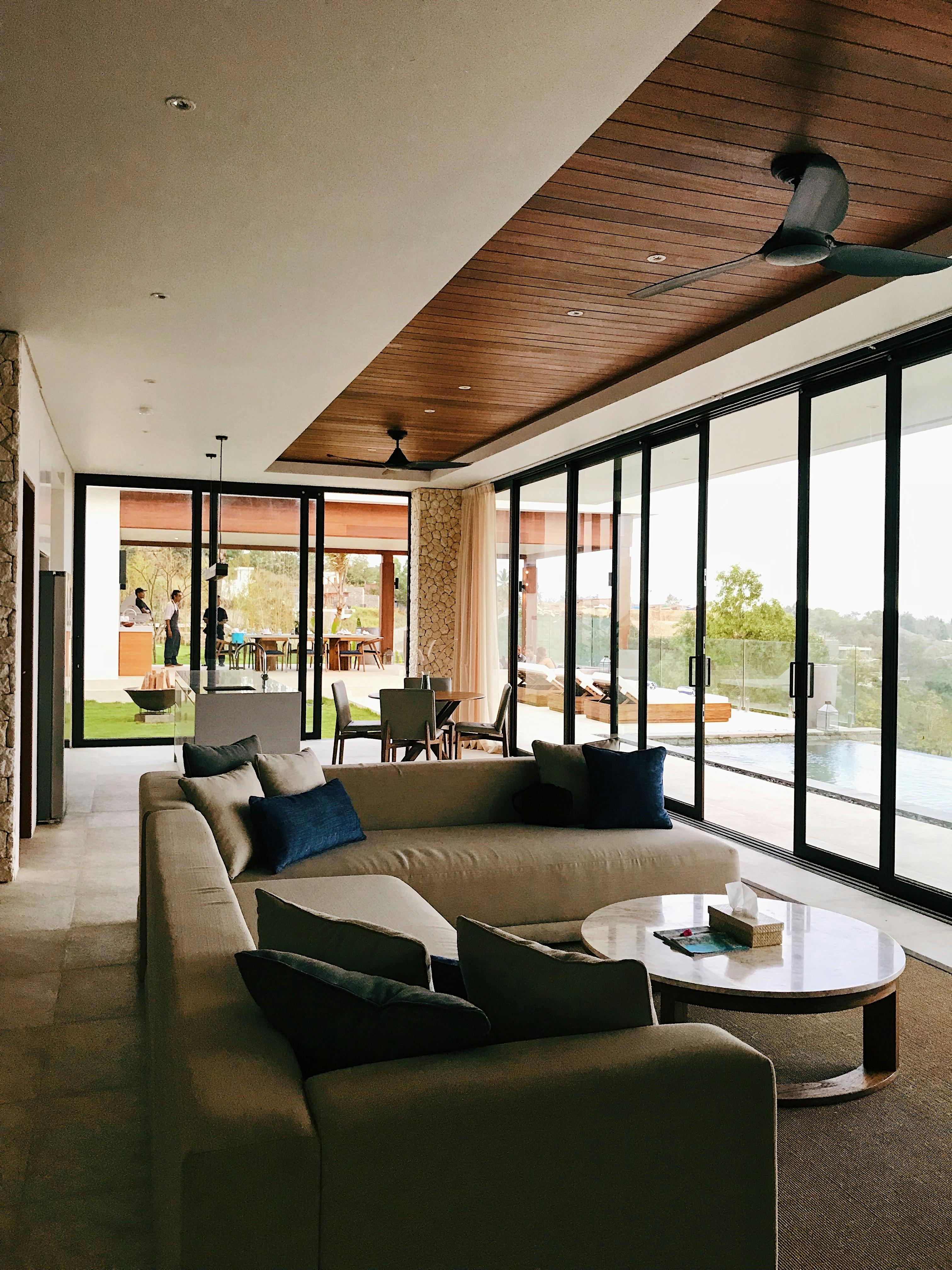
Every destination that becomes desirable teaches the market how to imitate it. Uluwatu’s codes are now legible: cliff, stone, linen, low music, controlled arrival, wellness without too much language, dining that looks casual but is carefully staged. These signals attract high-intent travelers because they promise distance from mass tourism without requiring complete isolation.
The risk is that the code becomes too easy to reproduce. When every property performs discretion, discretion becomes noise. When every brand claims to be hidden, hiddenness becomes another form of visibility.
When every brand claims to be hidden, hiddenness becomes another form of visibility.
The Risk of Copying Quiet
Hospitality branding often mistakes surface for structure. It borrows colors, materials, and vocabulary while missing the underlying discipline. Quiet does not come from beige. It comes from decisions: how many rooms, how much signage, how arrivals are paced, whether the property allows silence to remain silent.
A brand can copy the look of Uluwatu without understanding the patience that made the look desirable. This is where the cliffside market becomes fragile. The more demand it attracts, the more temptation there is to make the experience louder in order to prove value.
Scale Without Volume
The future question is not whether Uluwatu hospitality can scale. It already has, and it will continue to. The sharper question is whether scale can happen without volume, not volume in the numerical sense alone, but volume as tone.
A brand that grows here must protect negative space. It must know what not to place on a wall, what not to say in a caption, what not to add to an arrival sequence. In a market crowded with visual fluency, the advantage may belong to those who can still edit.
Uluwatu’s hospitality brands will not be judged only by how beautifully they occupy the cliff. They will be judged by whether they can preserve the conditions that made the cliff feel rare. Growth is not the enemy. Overstatement is.
“The danger is not growth itself, but the loss of the codes that made growth possible.”