Editor’s Select: Five Uluwatu Hours
A time-based guide to the moments when Uluwatu is most itself.
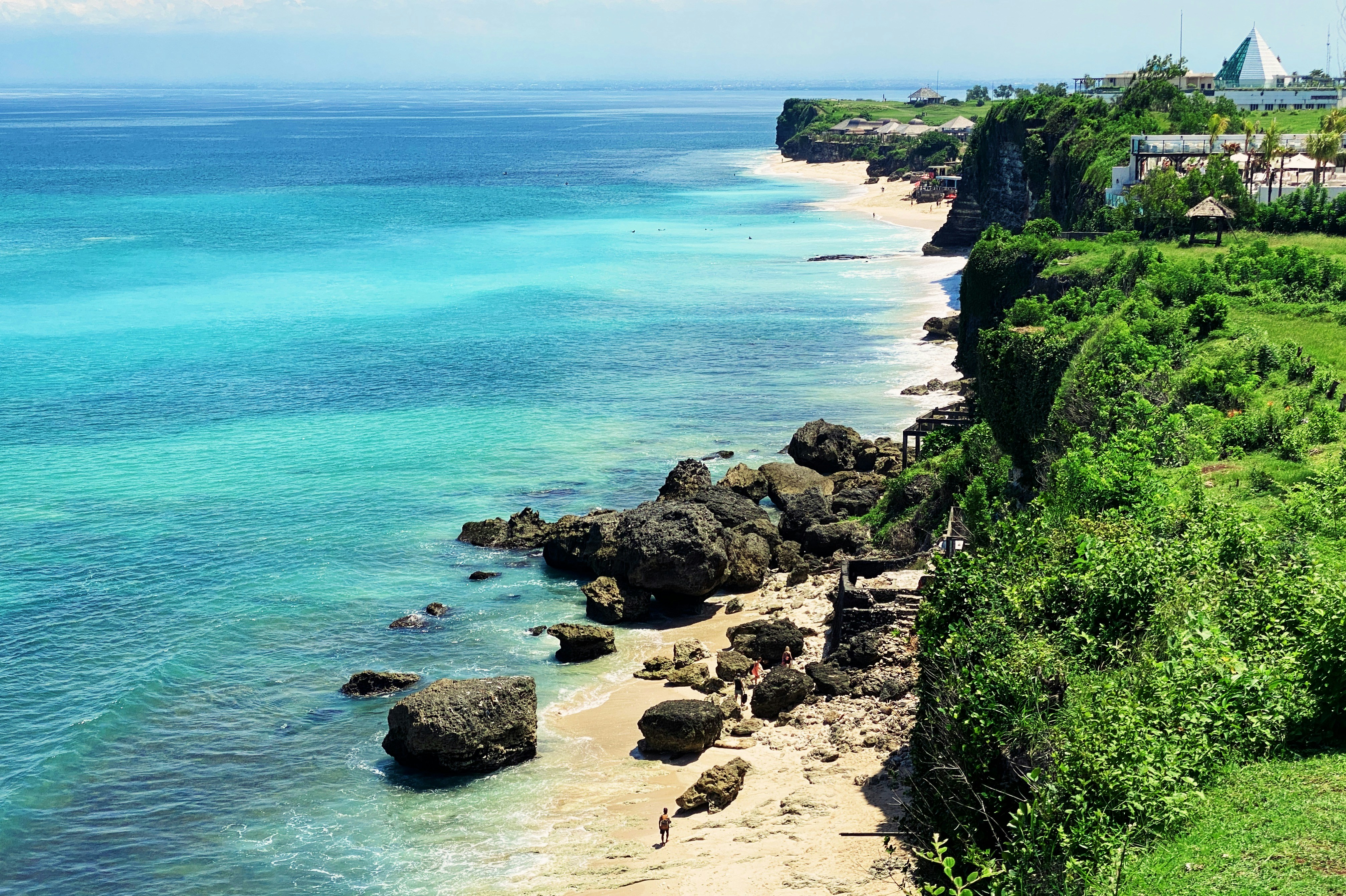
5:42 AM, Before the Ridge Wakes
The first hour belongs to pale light and unfinished roads. Nothing has yet been arranged for visitors. The ridge feels less like a destination than a place returning to itself after sleep. This is the hour for walking without agenda, for seeing the ocean before it becomes blue, for remembering that a famous view can still feel unclaimed.
Do not ask too much of this hour. Its value is in its refusal to perform.
10:15 AM, Shade and Stone
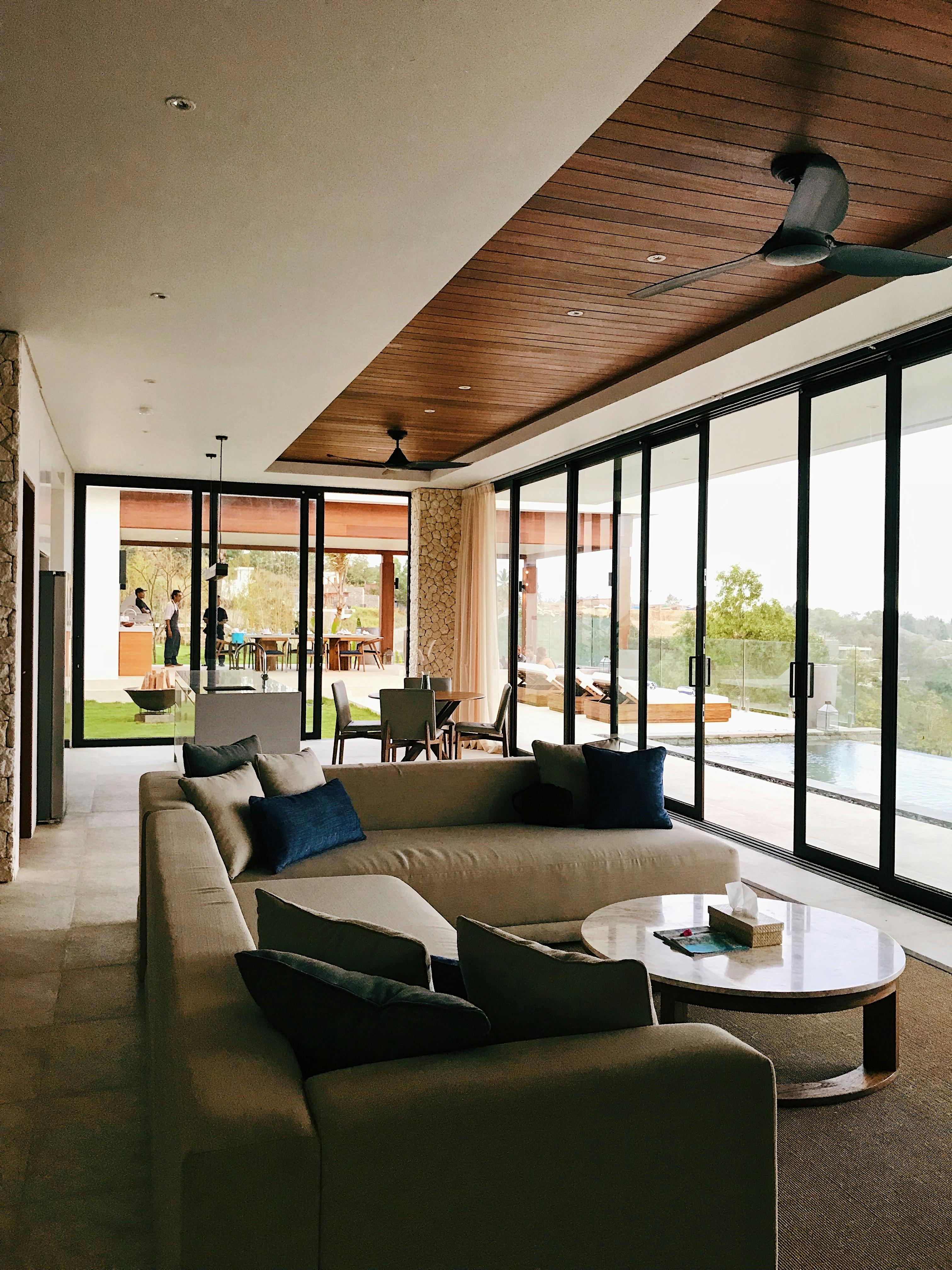
By late morning, the heat has begun to clarify the architecture. Walls, steps, terraces, and courtyards become more interesting than the view itself. This is the hour for shade: the shaded table, the shaded corridor, the stone surface that holds coolness a little longer than expected.
Uluwatu at this hour rewards interiors that understand the outside. The best spaces do not seal the coast away. They filter it.
The best spaces do not seal the coast away. They filter it.
4:30 PM, The Return from Water
Late afternoon brings the body back from the sea. Surfboards appear against walls. Towels dry over scooters. Appetite becomes simple and exact. This is not the hour for excess. It is the hour for something grilled, something cold, something acidic, something that feels earned without becoming ceremonial.
The return from water is one of Uluwatu’s most persuasive rituals because it belongs equally to residents, surfers, and travelers.
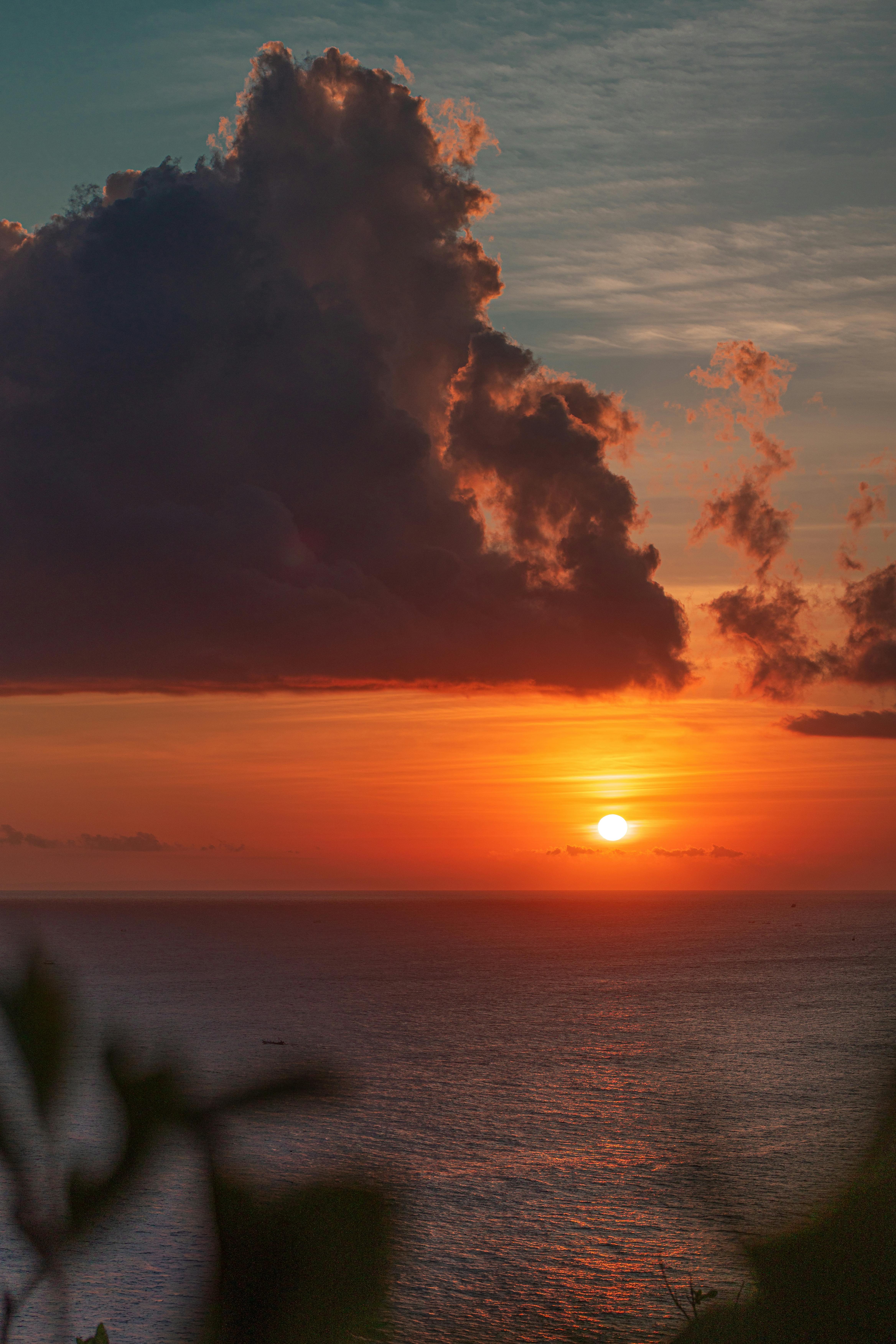
6:18 PM, The Cliff Turns Ceremonial
Sunset is the most crowded hour and still, sometimes, the most moving. The challenge is to resist consuming it too quickly. The cliff at dusk does not need to be captured from every angle. It needs to be allowed to darken.
At this hour, the edge becomes ceremonial even outside formal ceremony. Voices lower. The horizon becomes less scenic and more absolute. For a few minutes, even the most restless visitor understands why the place has gathered so much attention.
9:40 PM, After the Day Has Left
Night returns privacy to the road. The heat lifts. Music remains in some places, but elsewhere the cliff becomes a dark outline against moving water. This is the hour when the day’s images begin to separate: the road, the table, the stone, the temple path, the room, the sound of surf below sleep.
If morning belongs to possibility, night belongs to editing. The destination becomes smaller, quieter, and more precise in memory.
Uluwatu is often described by place, but it may be better understood by hour. To move through it well is not to collect locations. It is to notice when each part of the day asks for a different kind of attention.
“Uluwatu is not one mood. It is five or six hours, each asking for a different pace.”