Belgrave & Morgan and the Work Before the Campaign
The London-facing office is being built around reviewed profiles, selective introductions and the practical work that happens before a campaign reaches the public.
Belgrave & Morgan keeps its working list private.
The office does not publish a large online roster or ask brands to browse through hundreds of faces. Its work usually starts with a brief: what is being made, where it will be seen, and who might belong in it.
Sometimes the answer is a creator with a recognisable audience. Sometimes it is a model with little public profile but the right presence for the image. The size of the name is only one part of the decision.
Belgrave & Morgan works across creator partnerships, model casting and campaign research. Its internal records include more than 1,200 creator and model profiles reviewed across 24 countries and seven talent categories.
Those figures describe the pool the office has examined, not a public roster of represented talent. The value of the archive lies in being able to return to it when a particular brief arrives.
A beauty campaign and a hotel campaign may both ask for a polished image, but they rarely need the same person. The first may depend on how someone looks at close range or moves on camera. The second may call for a figure who can sit naturally within a room without overwhelming it. A creator who works well in a direct-to-camera format may be less convincing in a heavily art-directed production.
These are small distinctions, but they tend to decide whether a campaign feels believable.
The office reviews profiles through that lens. Geography, language, previous commercial work, visual tone and audience are considered alongside the practical terms of a campaign. Usage period, territory and format can change the shortlist as much as appearance or follower count.
Belgrave & Morgan’s role is to narrow the field before an approach is made.
For a brand, that may mean receiving a concise shortlist rather than a database. For a production, it may mean identifying where a casting idea is likely to become difficult before time and budget are committed. For a creator or model, it means being contacted in relation to a specific piece of work rather than being placed into an open catalogue.
The office also looks beyond the face selected for the campaign. Casting affects the pace of a film, the scale of a still image and the way a product or space is understood. It can make a campaign feel local, international, intimate or distant before a line of copy is read.
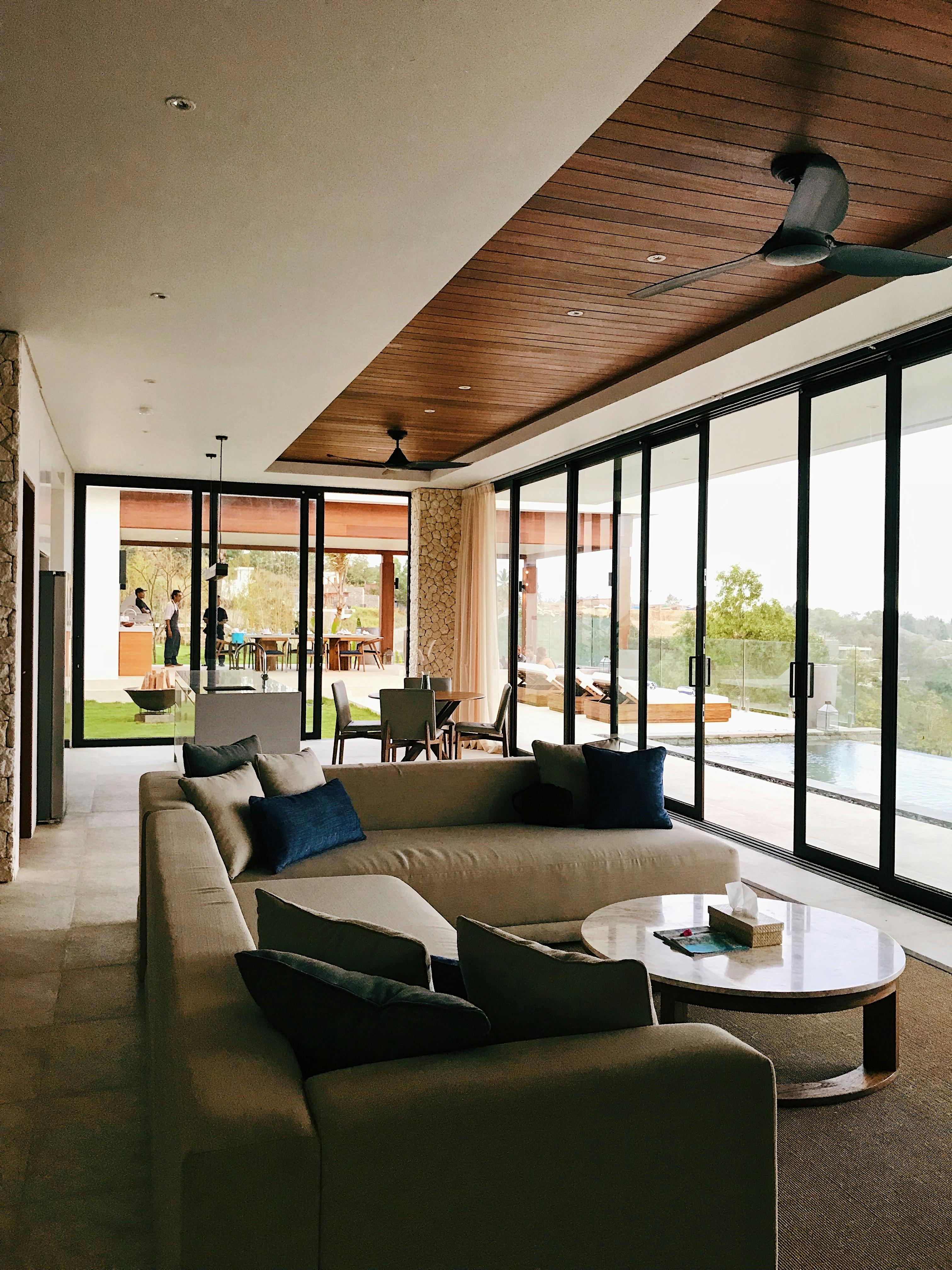
That is especially visible in hospitality and lifestyle work. A room photographed without a person can appear architectural. Add the wrong person and it becomes staged. Add the right one and the space begins to suggest how it might actually be used.
The same applies to fashion and beauty. Familiarity can help, but it can also bring associations that compete with the brand. In other cases, an unfamiliar face gives the image more room.
Belgrave & Morgan handles creator and model research, shortlist development, campaign coordination and early partnership planning. Depending on the brief, the work may also involve visual references, content formats and usage considerations.
Its London-facing identity is less about maintaining a public headquarters narrative than about the kind of office it intends to be: selective, discreet and brief-led.
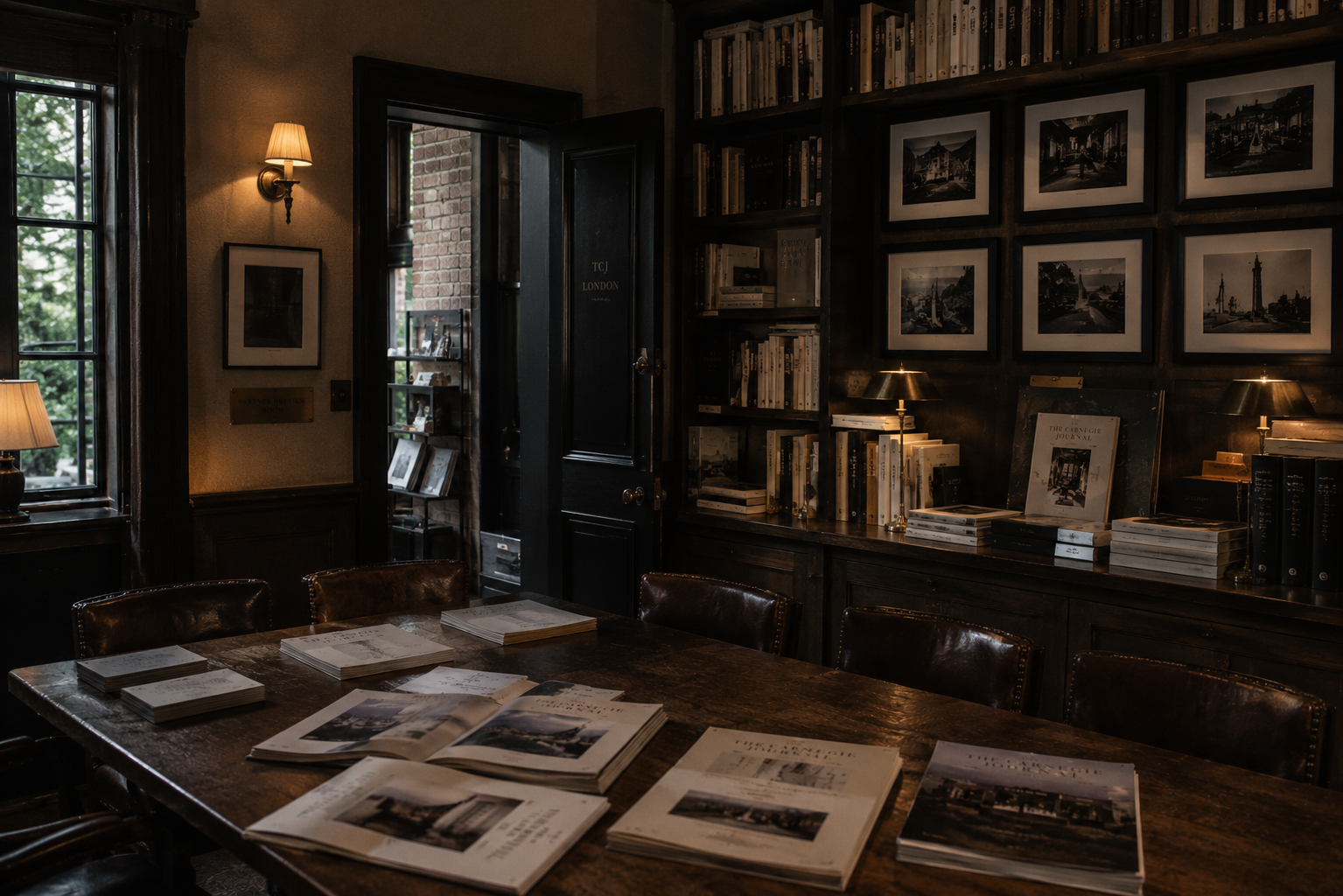
Belgrave & Morgan sits within the wider Metilience ecosystem, alongside The Carnegie Journal and The Century Magazine. The publications and the partnership office serve different purposes, but they share an interest in how people, places and brands are presented.
For Belgrave & Morgan, that question is usually settled before the public sees anything.
By the time a campaign is released, the shortlist is gone. The rejected options are invisible. What remains is a person in a frame who appears, ideally, to have always belonged there.