From The JULY 2026 Issue
Uluwatu Summer Index 2026
A TCJ framework for reading the southern edge by room, road, table, ritual, and restraint.
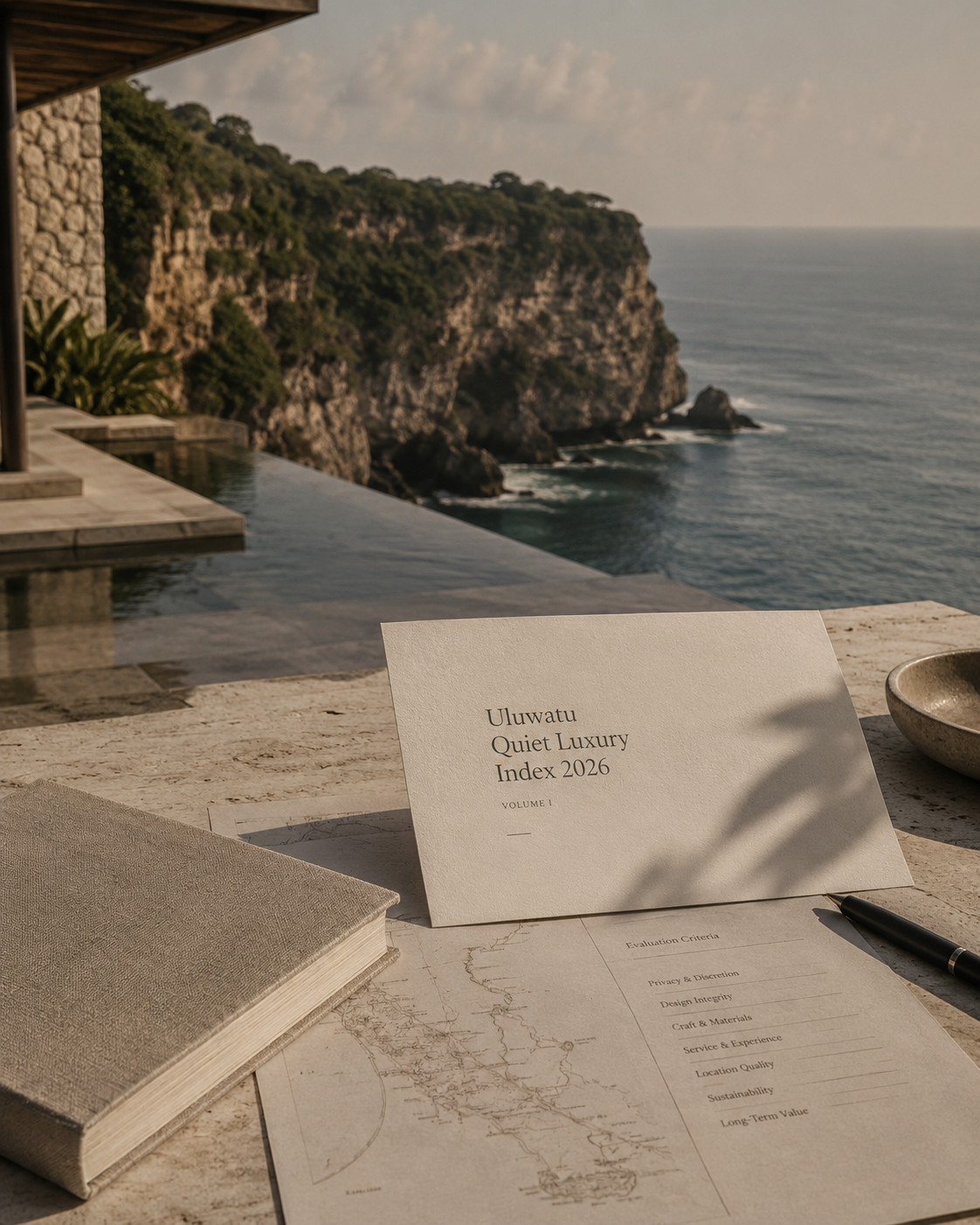
The Carnegie Journal Index
Uluwatu Summer Index 2026
Evaluation Dimensions
| Property | RD | RF | TC | CR | EP | Score |
|---|---|---|---|---|---|---|
| ★Surf Morning Economy | — | — | — | — | — | 88 |
| Cliff Villas | — | — | — | — | — | 86 |
| Temple Sunset Corridor | — | — | — | — | — | 81 |
| Beach Clubs | — | — | — | — | — | 78 |
Scores are on a 100-point scale per dimension. Composite scores are weighted as described in the methodology.
The point is not to rank paradise. The point is to read pressure. Uluwatu’s appeal is now inseparable from the systems that make it possible: rooms, roads, staff, access, ritual, waste, water, timing and the expectation that everything should feel effortless to the guest.
The Uluwatu Summer Index is a working editorial framework, not a certification. It asks whether the experience holds together under July conditions, when heat, demand, road friction and sunset appetite place unusual pressure on the destination.
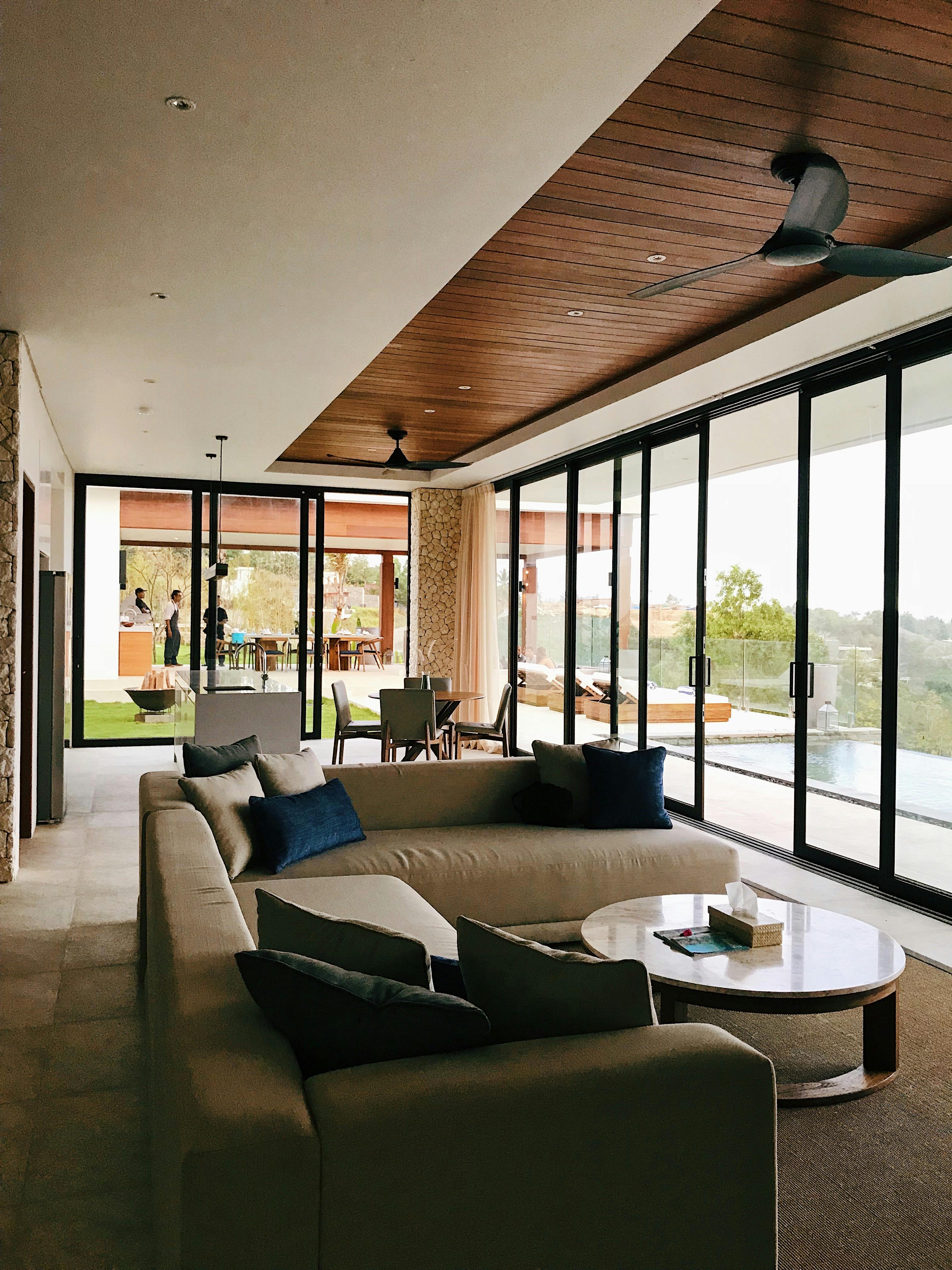
Room Discipline measures whether a property has solved shade, privacy, pool use, humidity, service sequence and the practical life of the guest beyond the first photograph.
Road Friction considers how arrival and movement affect the experience. In Uluwatu, mobility is not background infrastructure. It is part of the emotional cost of the stay.
Cultural Restraint asks whether a place benefits from Balinese setting without turning sacred or local context into decoration. This may become the most important luxury measure of the decade.
“The point is not to rank paradise. The point is to read pressure.”