From The JULY 2026 Issue
The Temple at the Edge
What happens when a sacred cliff becomes part of the sunset economy?
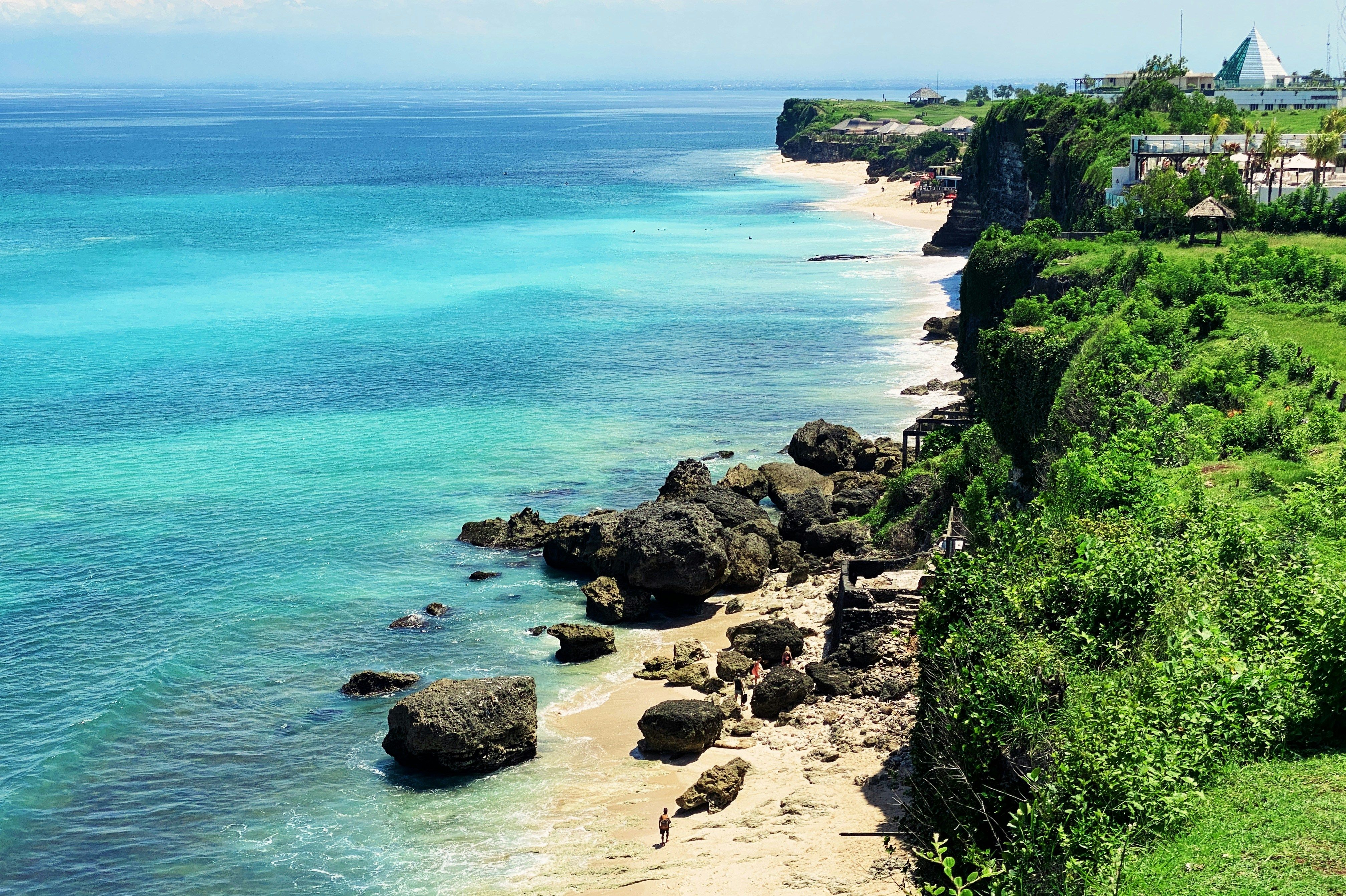
Uluwatu Temple sits on a cliff of roughly seventy metres, high enough for the visitor to understand why height becomes theology. The sea below is not background. It is force, warning, theatre, and memory.
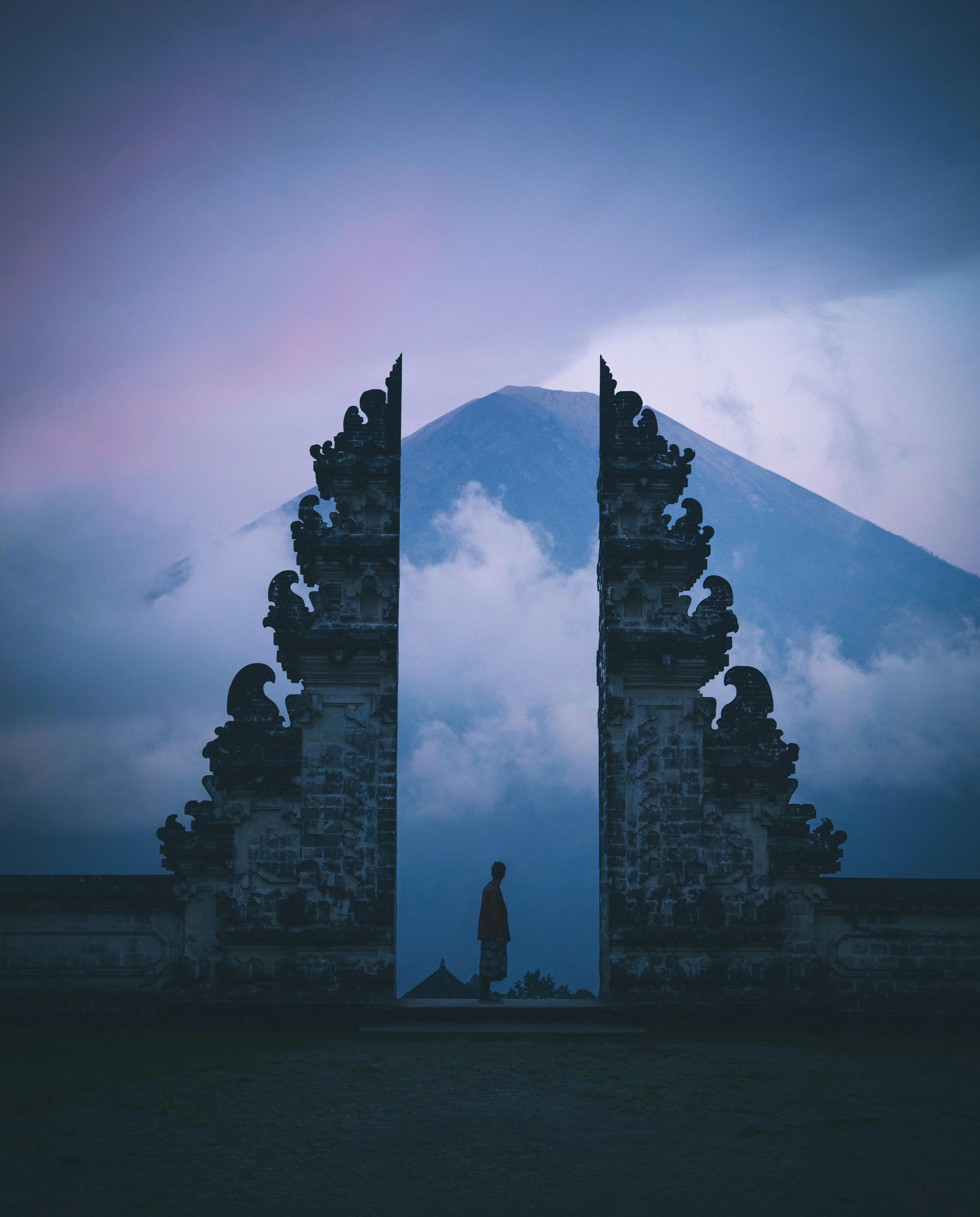
The modern visitor often arrives at the hour the camera prefers. Sunset turns the temple into an image machine: silhouettes, orange sky, cliff path, performance, crowd management, the small negotiations of access and attention. None of this cancels the sacred function of the place. It complicates it.
The question is not whether tourism should look at the temple. It already does. The question is whether looking can remain a disciplined act. Sacred sites in popular destinations are often asked to do too much: preserve local meaning, absorb visitor desire, produce shareable beauty, and tolerate the impatience of people who have somewhere else to be by dinner.
Uluwatu’s cliff asks for reverence even when the crowd asks for a photograph. The better visitor notices the tension and moves more slowly because of it.
“The cliff asks for reverence even when the crowd asks for a photograph.”