From The JULY 2026 Issue
The Summer City
Uluwatu has no centre. That is why it works.
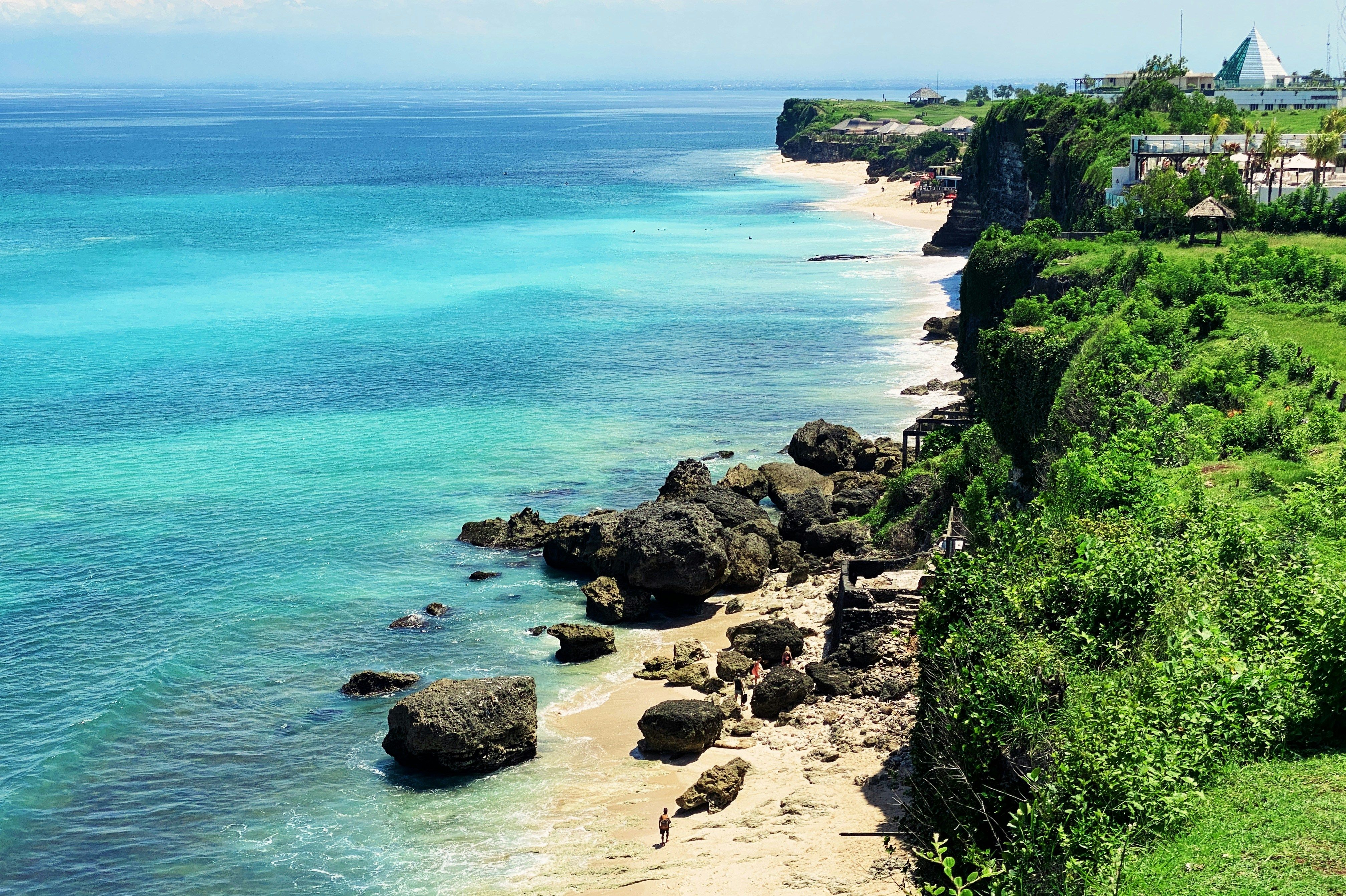
The first mistake is to look for the centre. Uluwatu does not have one in the way a city is supposed to have one. It has no gracious plaza where the visitor can pretend to understand the place by standing still. It has roads that narrow without apology, cliffs that make distance theatrical, villas hidden behind walls, warungs at the edge of dust, and the daily migration toward sunset.
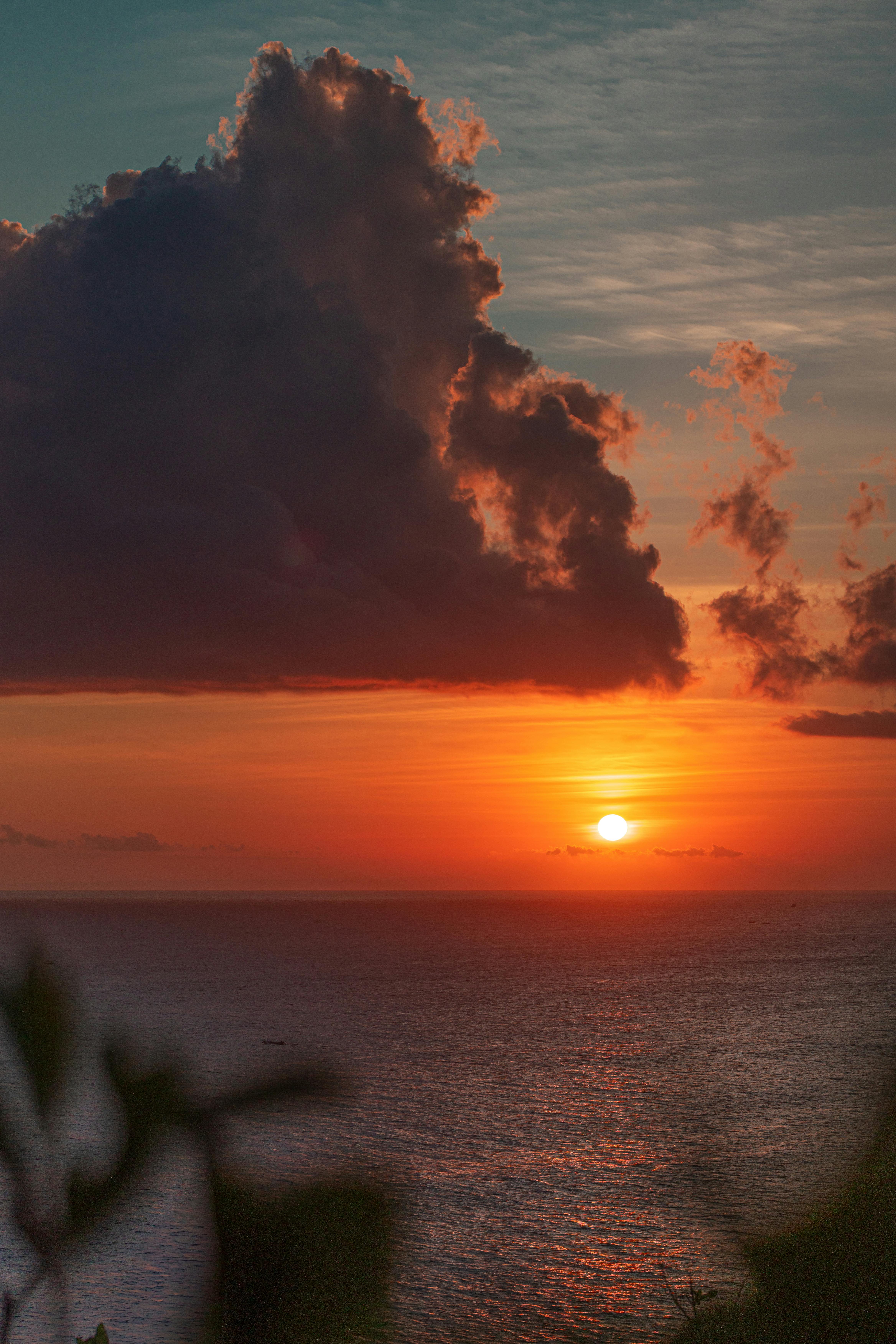
And yet by July it behaves unmistakably like a city. Not the civic kind, with monuments and offices, but the seasonal kind: a temporary settlement of habits, money, appetite, weather and display. People arrive with the expectation of escape and quickly learn the local grammar of movement. Morning belongs to surf. Noon belongs to shade. Late afternoon belongs to the road. Evening belongs to the table, the cliff, the phone camera lifted toward an orange horizon.
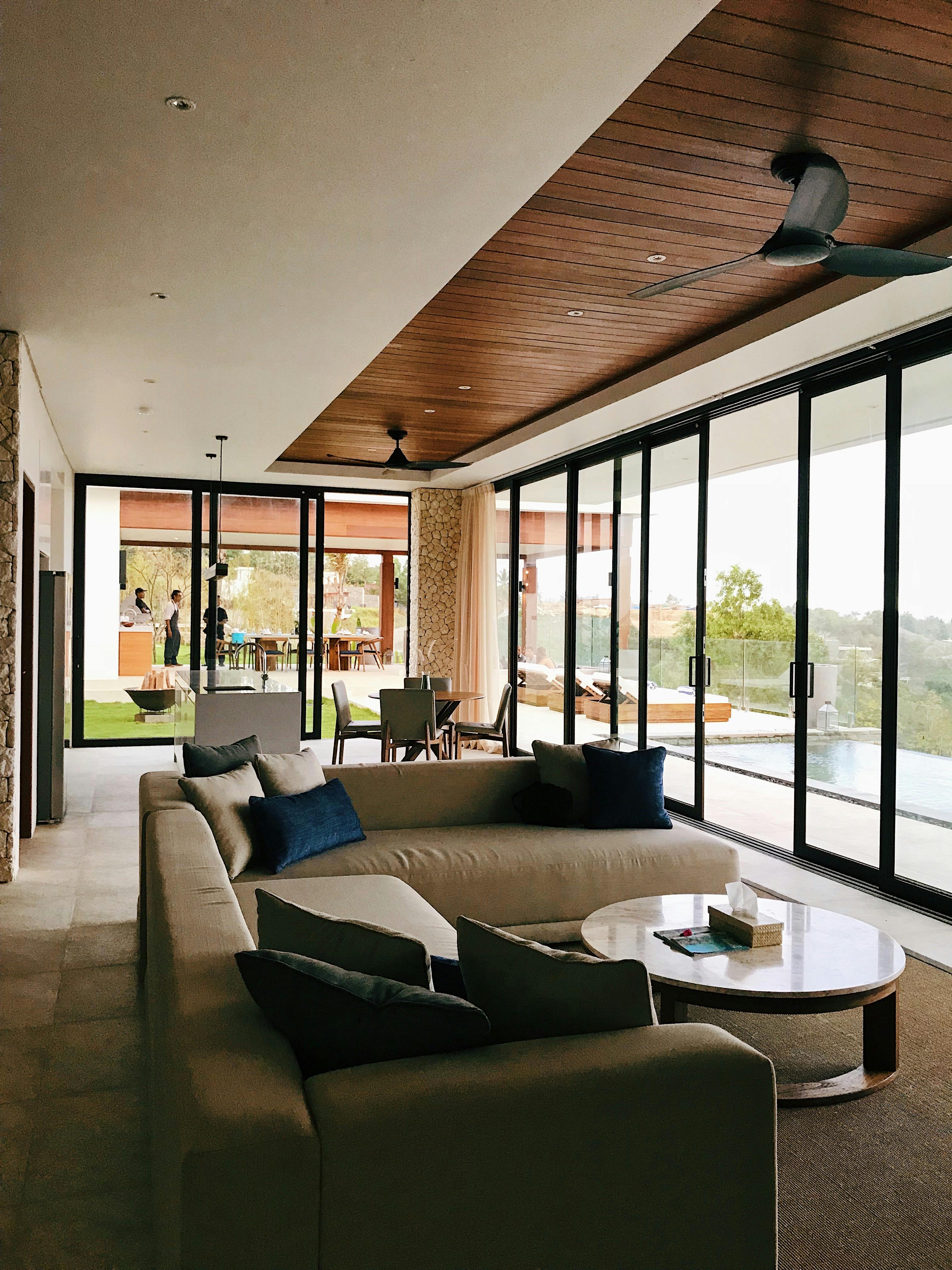
The southern edge of Bali has learned to turn inconvenience into atmosphere. The fact that everything is slightly far from everything else is not treated as a flaw; it is part of the value. A villa feels private because reaching it requires commitment. A beach club feels earned because the descent is physical. A dinner reservation becomes an event because the road to it is uncertain.
This issue begins there, with the idea that Uluwatu’s summer luxury is not simply view, pool, or villa. It is control over sequence. Who owns the morning? Who owns the shade? Who owns the last hour of light? The answers make a city, even here at land’s end.
“A summer city does not require a square. It requires a rhythm.”