From The JULY 2026 Issue
The New Edge of Bali
How Uluwatu became a case study in high-intent travel.
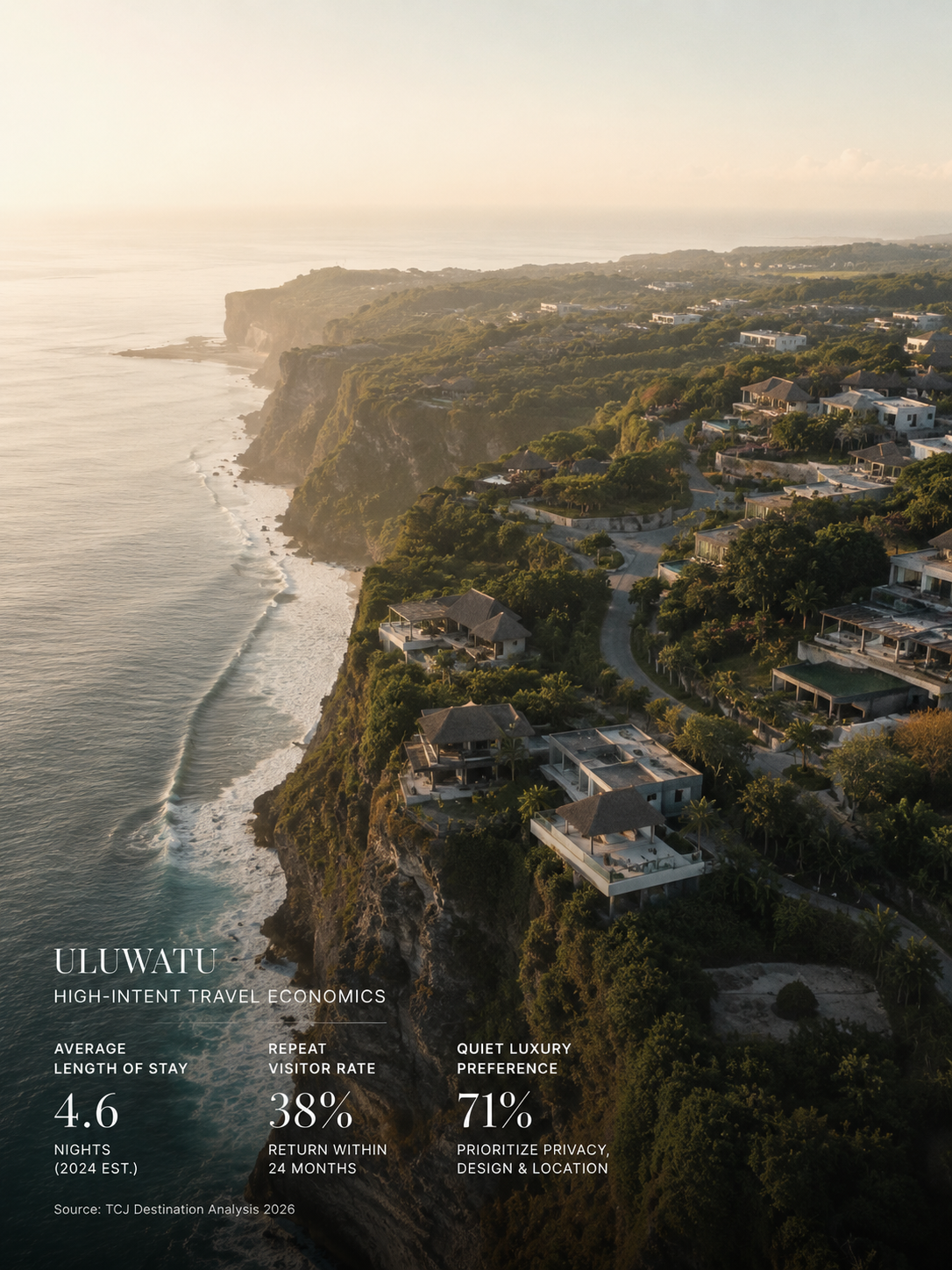
Luxury destinations often begin as refusals. Uluwatu’s refusal was geographical: harder to reach, rougher at the edges, less immediately legible than Seminyak or Canggu. That friction once filtered demand. Now it helps price it.
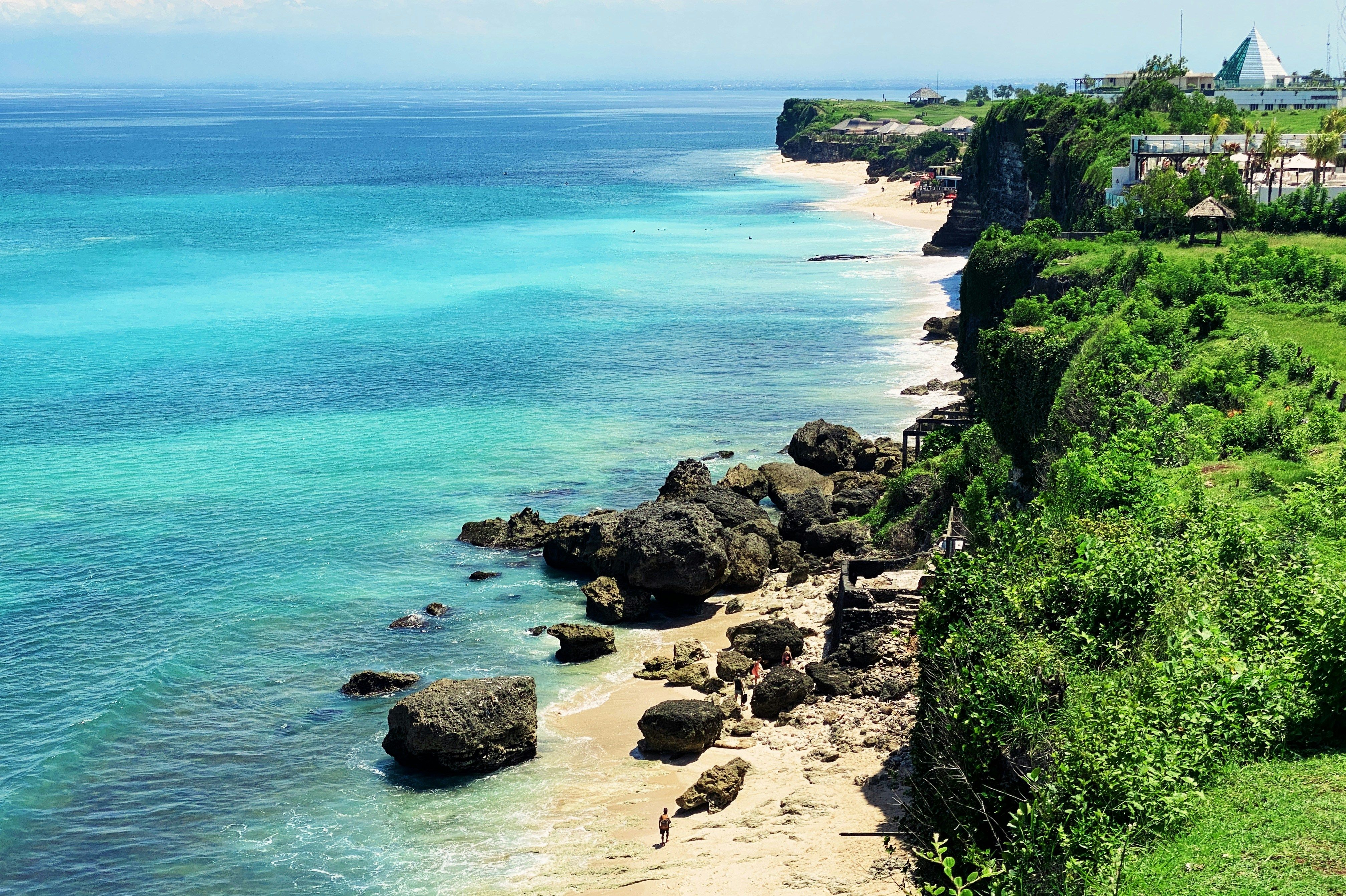
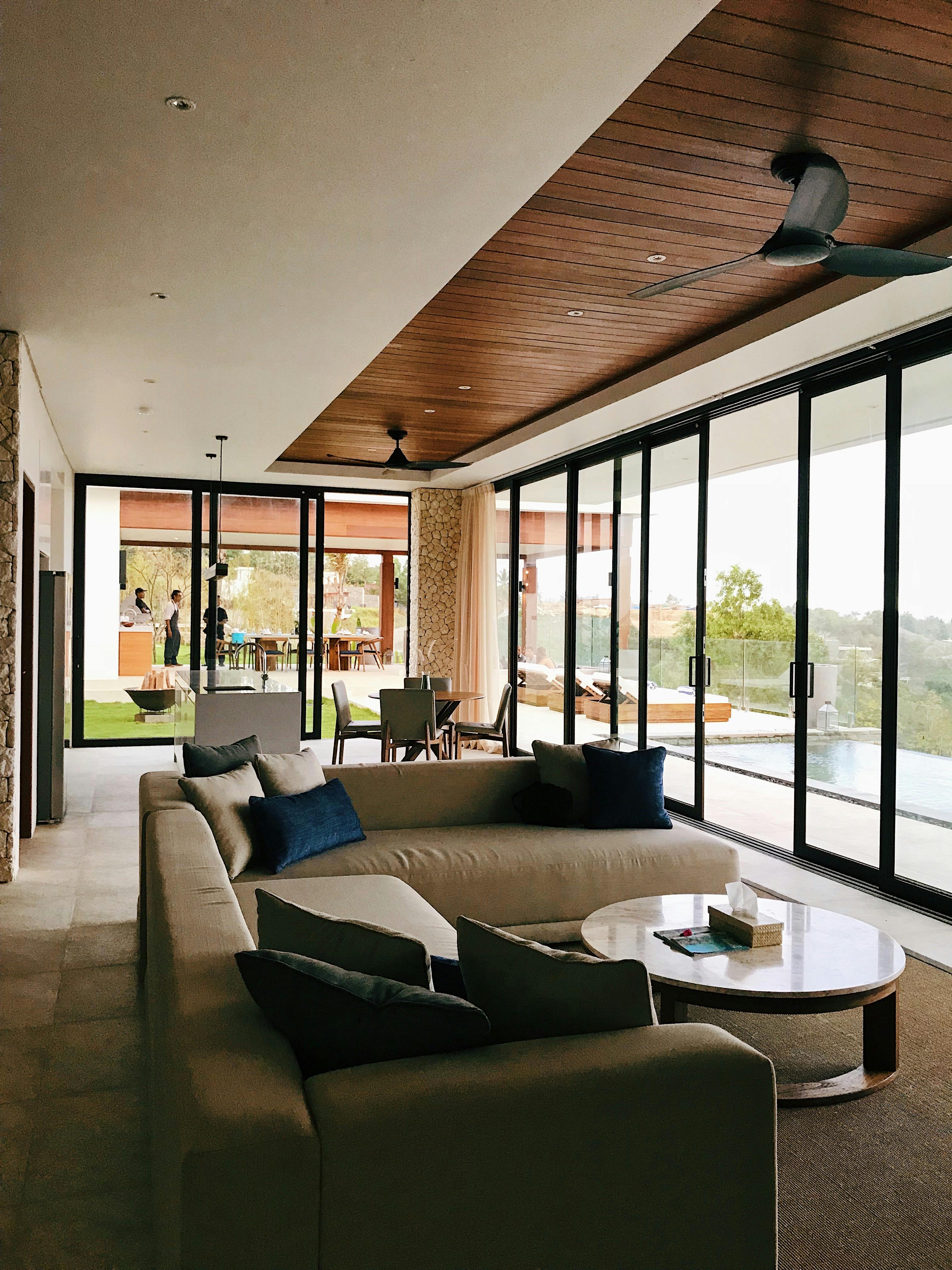
The area has become a useful study in high-intent travel. Visitors who choose Uluwatu are often not looking for the easiest Bali. They are looking for a version that feels more selected: cliff villas, surf credibility, controlled views, less obvious nightlife, stronger privacy, and the social reward of having chosen the edge before it becomes fully central.
This is the commercial paradox. The more successfully Uluwatu sells distance, the more infrastructure it requires. Roads, staff housing, waste systems, beach access, water, traffic management and cultural protections become part of the luxury product whether operators acknowledge them or not.
The next phase of Uluwatu will be decided by whether the destination can keep scarcity from becoming mere congestion. Scarcity is its product. Pressure is its cost.
“Scarcity is Uluwatu’s product, and pressure is its cost.”