The City as a Surface
Rooms, rituals, objects and images shaping how Seoul is seen.
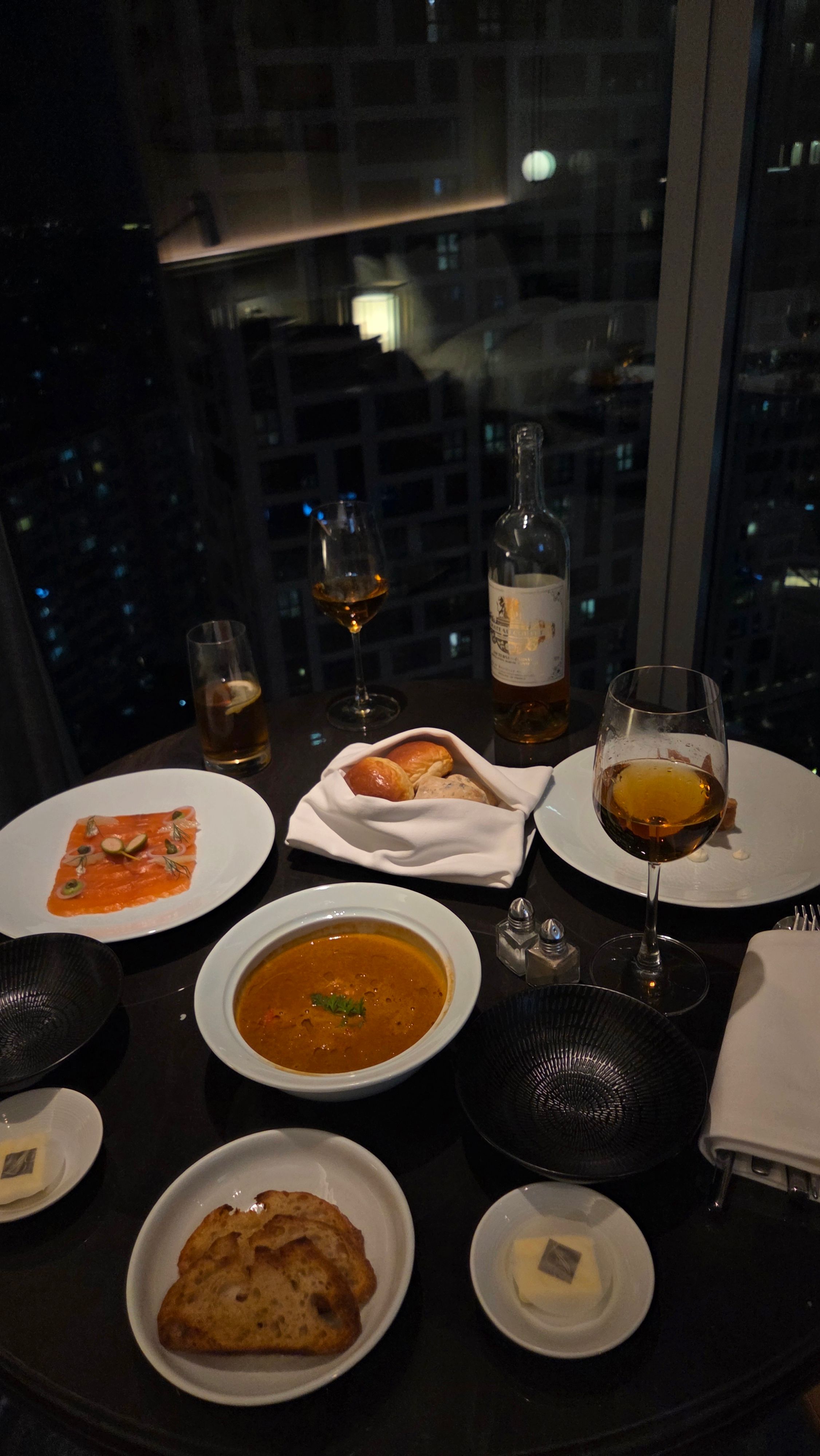
A city becomes visible twice. First it is lived: walked through, entered, slept in, eaten from, crossed in rain, carried home in a bag. Then it is made legible elsewhere. The second life is not false, but it is edited. A room becomes a photograph. A table becomes a recommendation. A compact, a scent, a lobby, a temporary installation and a rainy street become evidence that a place has a rhythm worth remembering.
Seoul is unusually fluent in this second life. It does not merely host images; it produces them with an intelligence that now shapes hospitality, beauty, food, fashion and urban retail. The city understands mirrors, queues, packaging, corridor light, the narrow pause before a door opens. It understands that an object on a counter can travel farther than the address that sold it, and that an evening can be remembered through the quality of the glassware before anyone writes about the menu.
The most interesting Seoul of 2026 is not the loudest Seoul. It is not reducible to scale, speed, novelty, or the familiar story of global culture exporting itself. It is a city working on the surface of things with unusual seriousness. That surface is not superficial. It is where judgment becomes visible. It is where architecture meets camera, where service becomes tone, where a product learns whether it can survive outside the room in which it was first encountered.
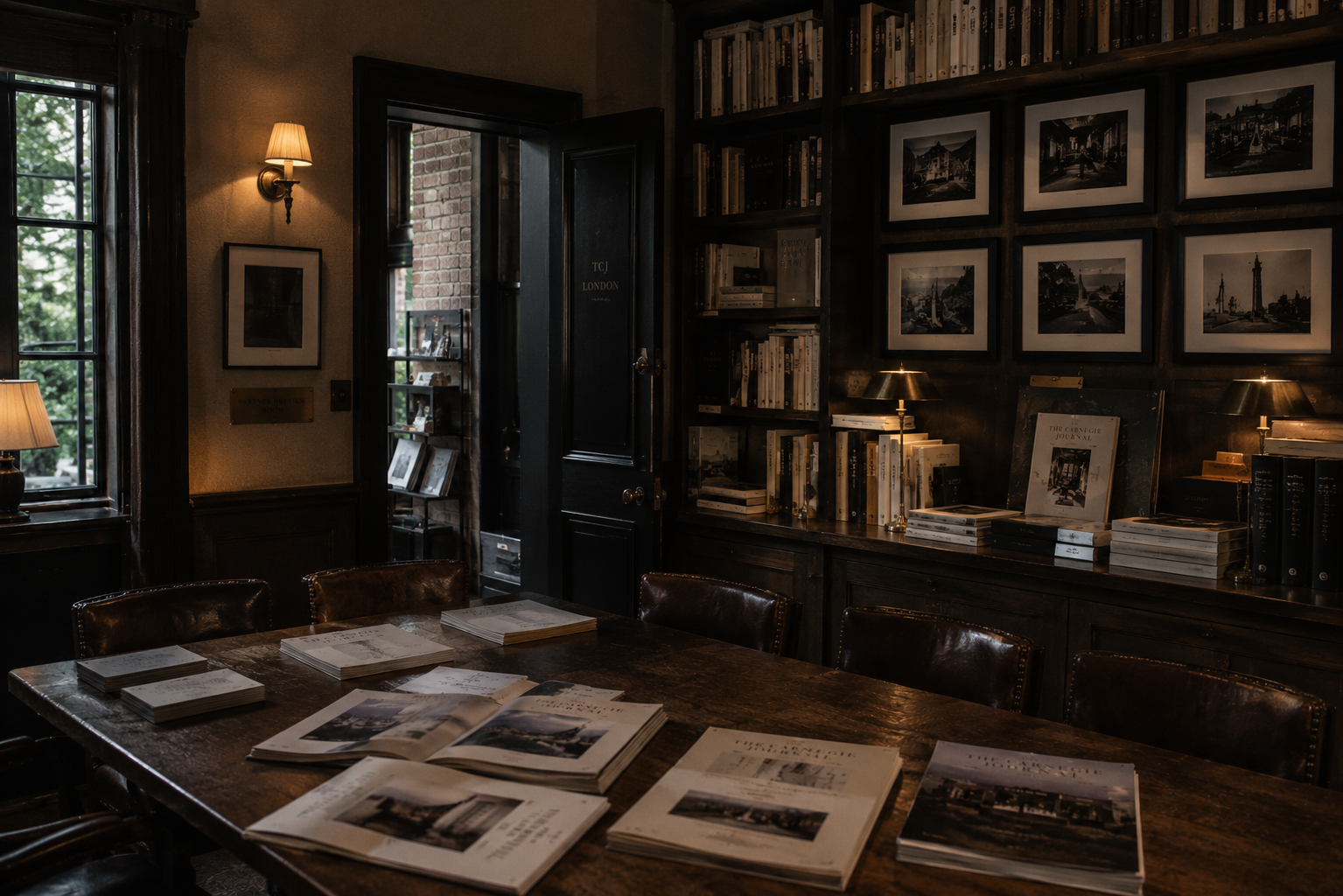
ROOM is the first unit. A Seoul room increasingly resists the generic language of premium hospitality. It favors a certain quietness: a window placed with care, a curtain that changes the hour, an entrance that makes arrival feel deliberate. The room is not only accommodation. It is a device for editing the city into scale.
RITUAL follows. Beauty consultations, tea service, shoe removal, jacket hanging, the placing of a menu, the wrapping of a purchase: these small sequences tell a visitor how to behave and what to notice. Seoul is very good at sequence. The experience often begins before the product and continues after the receipt.
OBJECT gives the city a portable form. Jewellery, eyewear, fragrance, ceramics, packaging and printed matter carry Seoul beyond itself because they do not require explanation at the border. They ask only to be handled, worn, opened, photographed, kept.
SCENE makes the private object public. A cafe in Seongsu, a hotel lobby in Jung-gu, a gallery-adjacent table, a beauty flagship, a pop-up that lasts three weeks and remains in search for three years: Seoul has become a city where temporary rooms acquire long afterlives.
DISTRIBUTION decides what survives. The city is seen through social feeds, editorial pages, creator routes, search snippets, hotel recommendations, private letters and the slower authority of print-like digital editions. A place that cannot travel through these channels now remains strangely incomplete.
This issue is therefore not a travel issue in the ordinary sense. It is a study of how a city forms an image of itself without becoming only an image. The distinction matters. A place is where things happen. A surface is how those things become visible to someone not yet there. Seoul, at its best, knows the difference and works carefully in the space between the two.
“A surface is not superficial. It is where judgment becomes visible.”