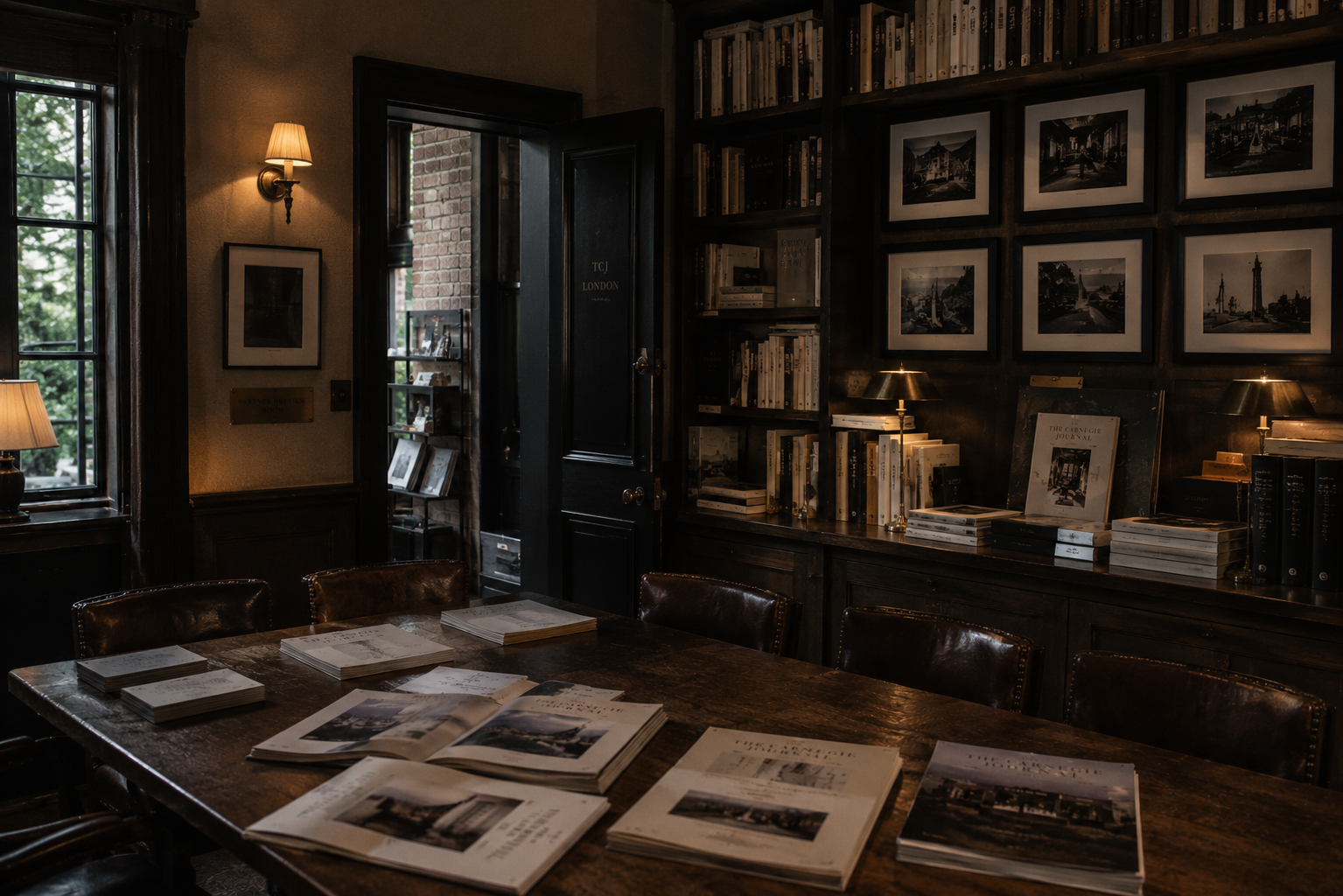
Before the First Guest
The quiet choreography of Seoul restaurants before service begins.
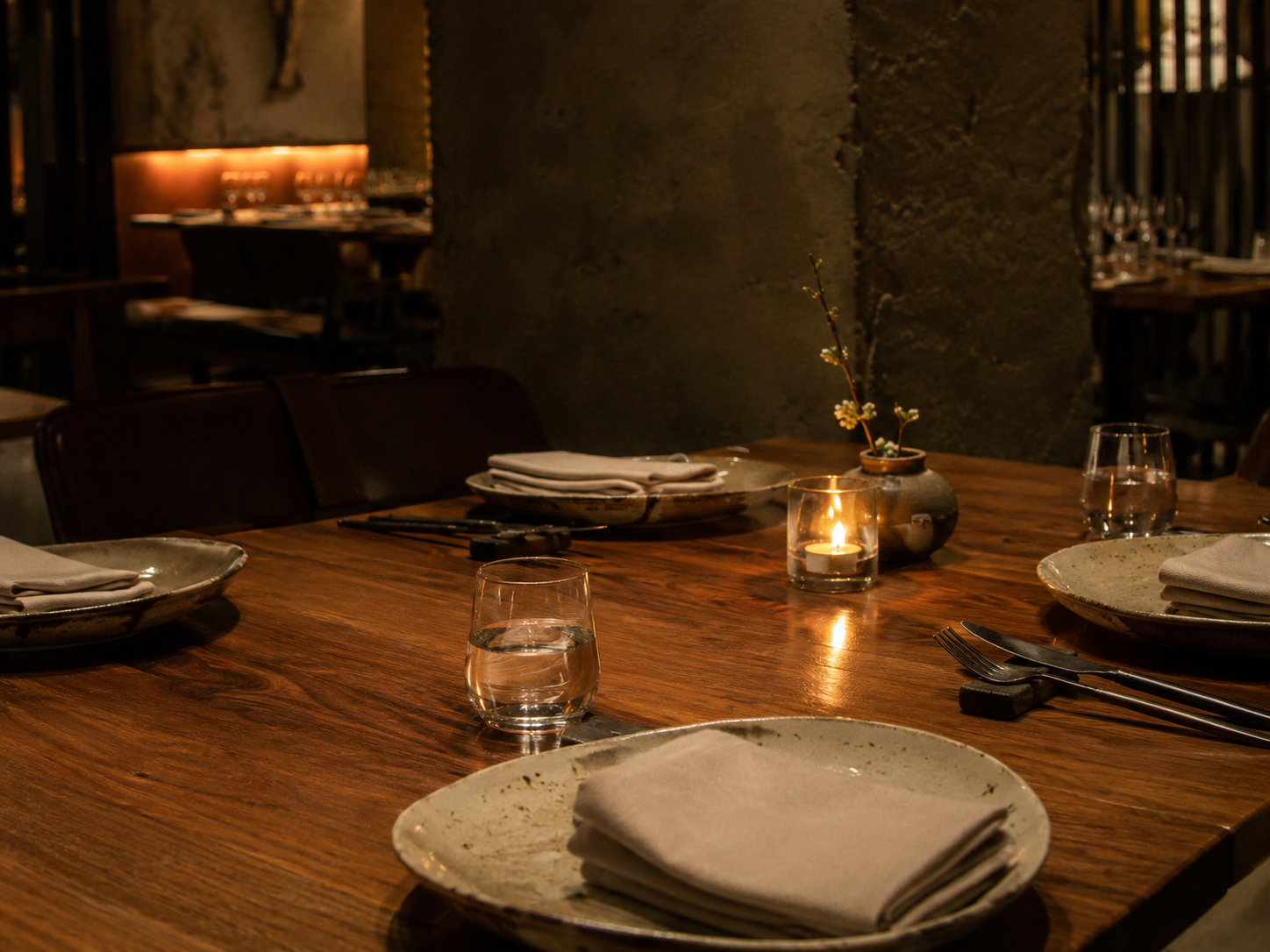
A restaurant begins before the first guest enters. The room is already speaking: glasses aligned, linen set, music tested at a volume that will later seem inevitable, doors checked for the weight of arrival. The strongest Seoul restaurants understand that hospitality is not only what happens after service begins. It is the choreography that allows service to begin without strain.
Before service, a table is a promise. The distance between fork and glass, the texture of the napkin, the light on the surface, the absence of unnecessary objects: these details tell the guest whether the room has been prepared or merely arranged. Seoul’s best dining rooms have become fluent in this quiet grammar.
Glassware is one of the first signs. A glass catches room light before food arrives. It can make a modest table feel precise or an expensive room feel careless. The same is true of water service, menu weight, the first sound of a chair being moved. None of these moments is the meal, but all of them affect how the meal will be received.
Lighting carries more responsibility than decoration. Seoul restaurants often operate across dramatic shifts in atmosphere: lunch clarity, blue hour, evening reflection, late-night intimacy. A room that cannot adjust becomes fixed in the wrong mood. The best rooms let light move with service.
Movement is the hidden architecture. Staff routes, kitchen doors, guest sightlines, the path to the restroom, the pause before a server interrupts a table: these are design questions as much as service questions. When they are solved, the guest feels ease without knowing why.
Music sets the social temperature. Too loud and the restaurant becomes effortful. Too polite and the room loses pulse. The correct soundtrack is rarely noticed directly; it gives the conversation permission to continue.
This is why hospitality can function as visual identity. A restaurant’s brand is not only its logo, menu or cuisine. It is the first impression before food, the way the room holds anticipation, the memory of an evening that began well before the first dish arrived.
“Before service, a table is a promise.”