A Wall Street Address for Seoul’s Quiet Places
From 48 Wall Street to Seoul Stay and Taste, The Carnegie Journal establishes a North America-facing partnership surface for places and brands that deserve to be read beyond Korea.
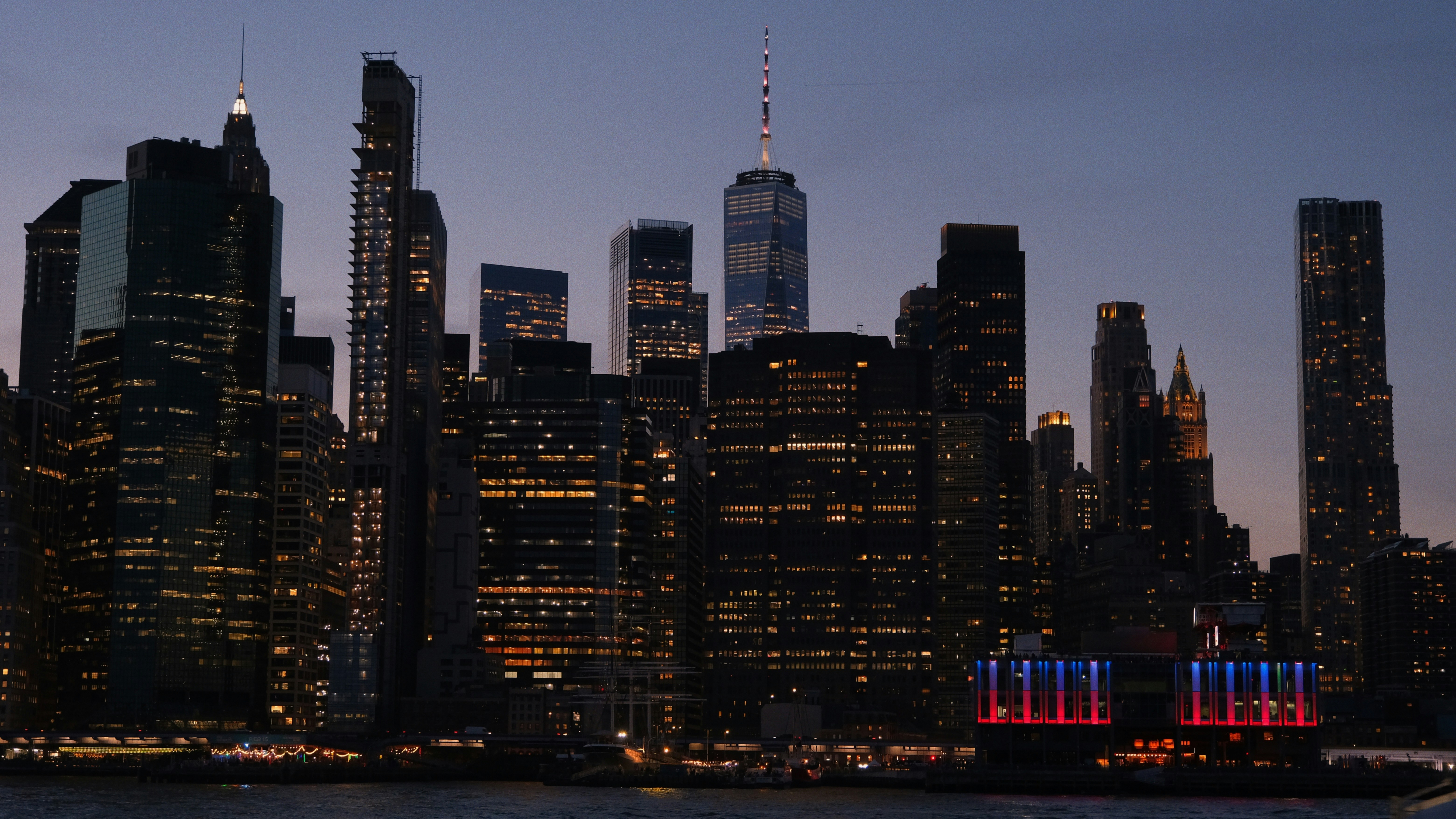
New York is often remembered through numbers: indices, rates, volumes, valuations. Yet the face of the city lasts longer than its figures. After dusk, the skyline turns into a register of light, towers, windows, bridges, and addresses through which companies have learned to explain themselves to the world.
The Carnegie Journal’s use of a Wall Street correspondence address begins there. It is a practical and symbolic layer for partnership communication: a North America-facing Partnership Desk connected to a publication whose first active city market is Seoul.
The Carnegie Journal uses its New York Partnership Desk at 48 Wall Street as a contact point for international hospitality, lifestyle, and brand conversations. It gives Seoul Stay and Taste partners a partnership communication layer that can travel in English.
48 Wall Street as a Historical Address
At the centre of this structure is 48 Wall Street, an address in New York’s Financial District with a long commercial memory. Formerly associated with the Bank of New York & Trust Company Building, the address sits within a part of Manhattan where finance, record-keeping, institutional language, and public trust have shaped the city’s image for generations.
For The Carnegie Journal, the significance of Wall Street is not spectacle. It is context. The address gives a sharper frame to the publication’s work with places and brands that need to be understood beyond their immediate market.
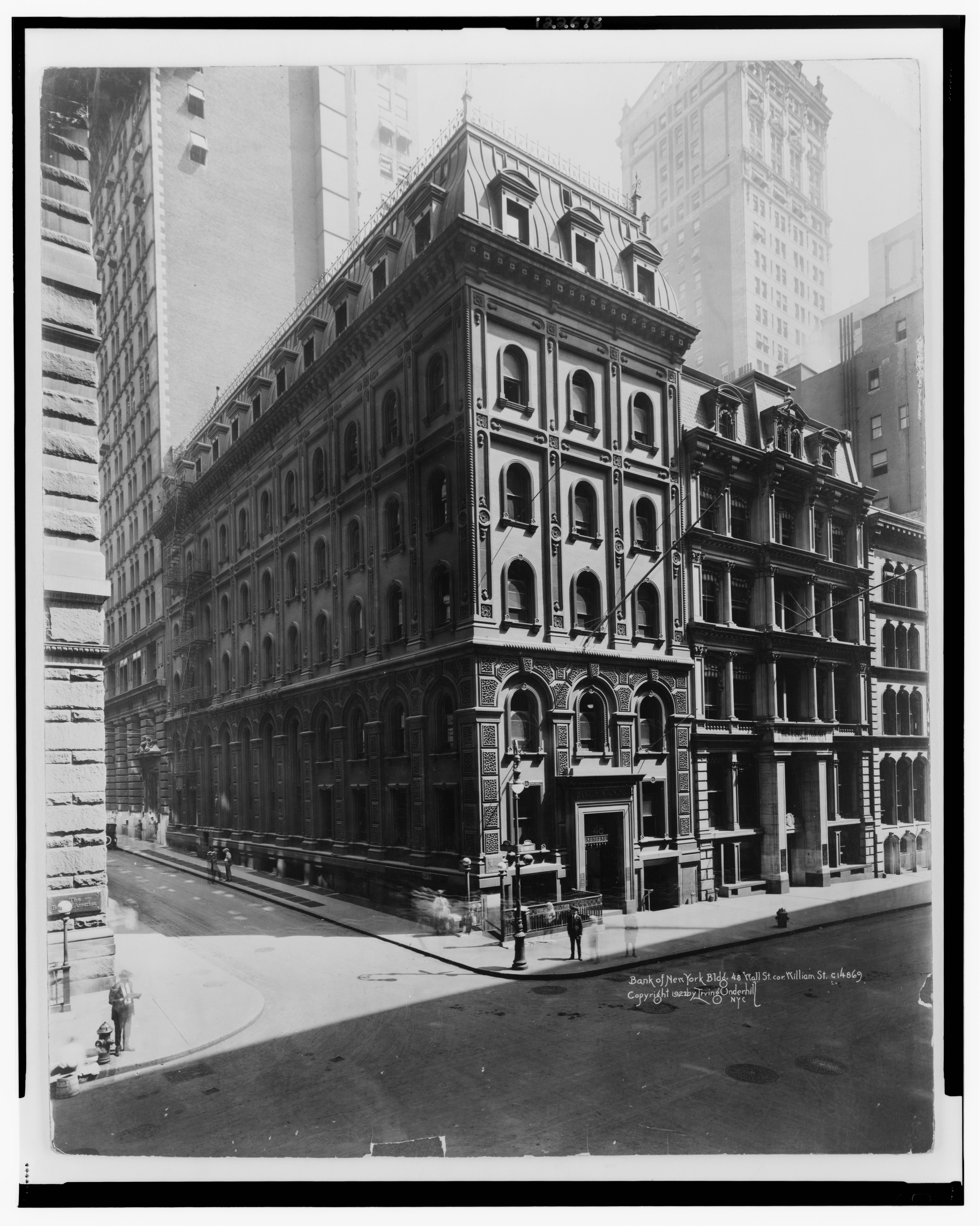
An archival view of the Bank of New York Building at 48 Wall Street. The address remains part of the visual and commercial memory of New York’s Financial District.
Image: Library of Congress / Public Domain.
Seoul Stay and Taste
The first active expression of that work is Seoul Stay. Across Seoul, there are quiet rooms, independent stays, hanok houses, design-led residences, and small hotels with a strong sense of atmosphere. Many already possess the elements that make a place memorable: light, material, neighbourhood, rhythm, and a point of view. What they often lack is a polished international surface that can be shared with international guests, collaborators, buyers, and partners.
The Carnegie Journal creates that surface.
Seoul Stay is the first door. Seoul Taste is the next. Restaurants, cafés, bars, and dining rooms are not simply places to eat; they are part of how a city is remembered after dark. The same editorial approach that can hold a quiet room can also hold a table before service, a corner after rain, or a dining room shaped by its own visual code.
An English-Language Editorial Surface
A partner presence inside TCJ is not designed as a banner advertisement. It is closer to an editorial address: a short note, a visual frame, an official link pathway, and a carefully written context that helps a place appear more considered. Where a commercial relationship exists, it is labelled with restraint and clarity.
The distance between Wall Street and Seoul may seem large. But the editorial task is precise: to help local places present themselves in a language and format that can travel.
A small stay does not need to pretend to be global. A restaurant does not need to promise international attention. A brand does not need to overstate its reach. What it can have is a well-made external surface, a page, a note, a feature, a link, that gives its atmosphere a second life beyond the platform where it was first discovered.
What the Partnership Desk Does and Does Not Claim
That is the purpose of the North America-facing Partnership Desk: to place Seoul’s rooms, tables, addresses, and brands within a more international editorial architecture.
The Carnegie Journal begins in Seoul with Stay and Taste. It looks outward through language, presentation, and address. And it gives places that deserve a permanent record a surface that can be read beyond Korea.